
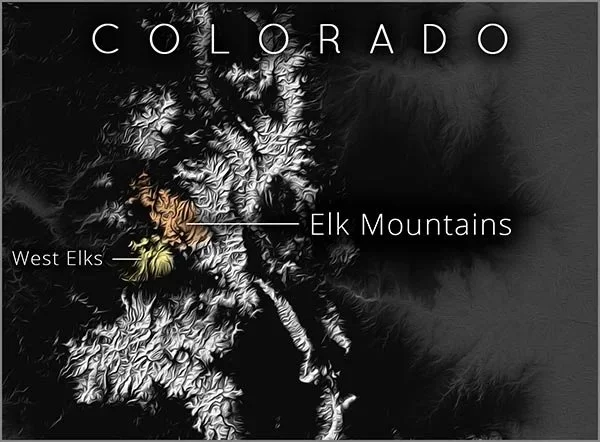

Elk Mountains
The Elk Mountains and West Elk Mountains, near the ski towns of Aspen and Crested Butte, are arguably the most beautiful mountains in Colorado. The combination of jagged peaks, multi-colored rocks, expansive fields of wildflowers, and vast groves of aspen make these mountains pure alpine eye candy. These uplifted sedimentary rock layers form the picturesque striations and red color visible in the famous Maroon Bells and Pyramid Peak. The high mountains of Colorado’s Elk Range are among the finest peaks in the Rockies. With Wilderness designation, these protected mountains are rugged, steep and aesthetically pleasing. Crystal clear streams, pristine alpine lakes and lush green vegetation are common sights. The scenic beauty of the Elk Range is mostly due to its unique geology. There are two very distinct geological types of rock that are clearly evident in the Elk Mountains, the tertiary intrusives, and the stratified sedimentary. The whitish, gray rock of the tertiary intrusives is responsible for the sweeping, skinny ridges that connect point-to-point, evident in Snowmass Mountain, Capitol Peak and the Chair Mountain massif. Second, the stratified purplish-red, sedimentary rock of the Permian age, evidenced in mountains like Pyramid Peak and the Maroon Bells
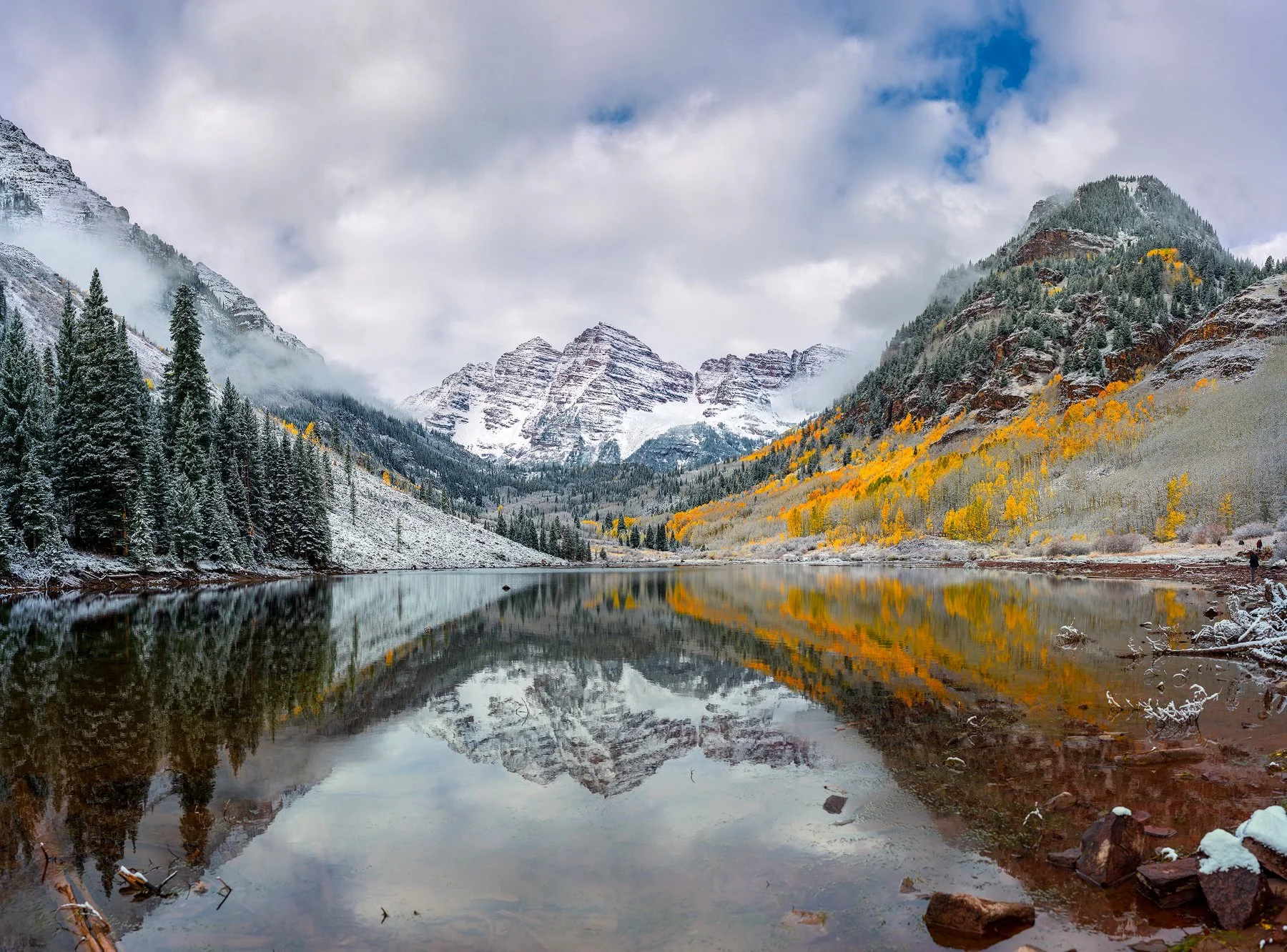
The Maroon Bells, the most photographed mountain peaks in North America, with morning conditions that I have been seeking for years to get
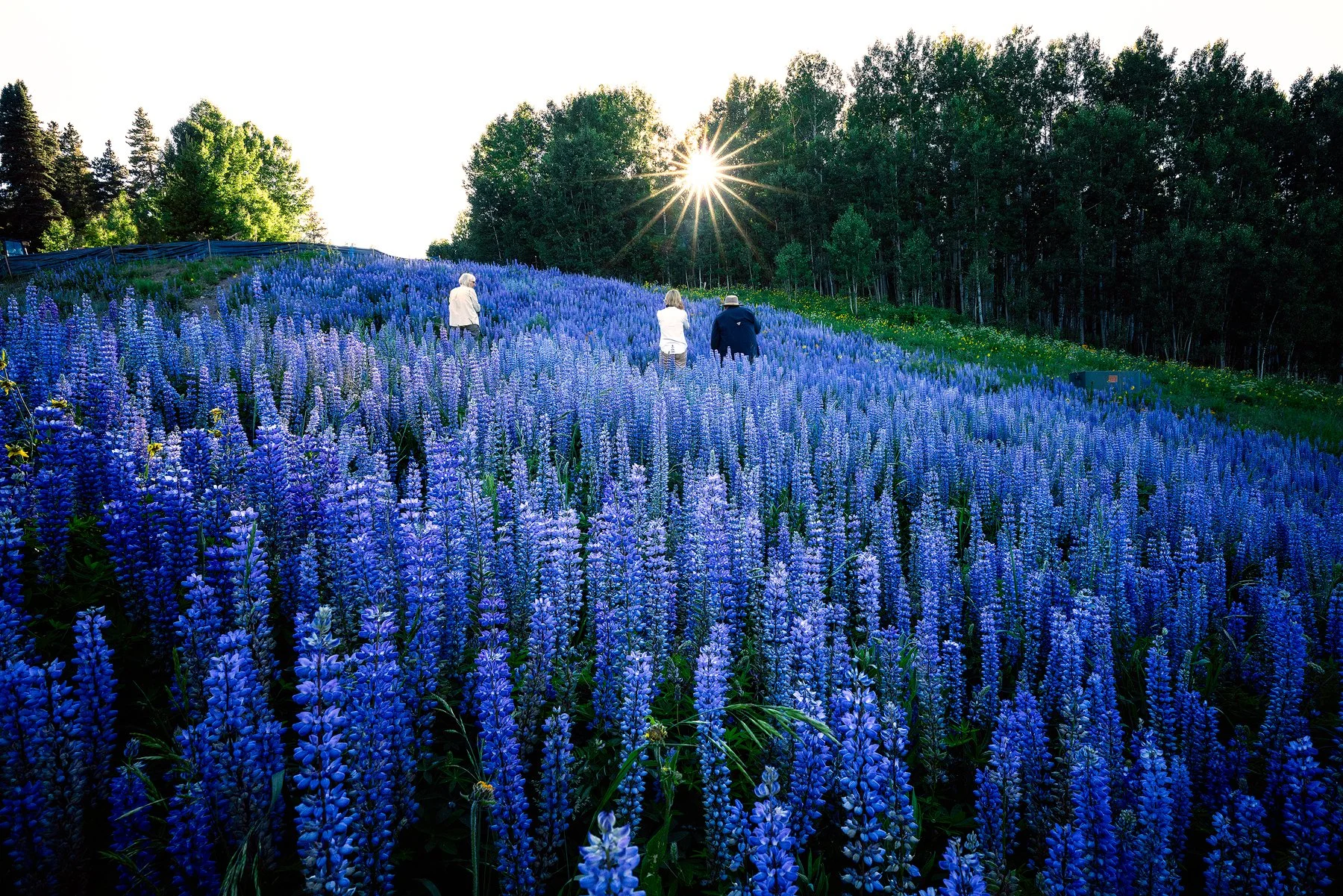
Large field of Lupine on the lower slopes of Mt. Crested Butte
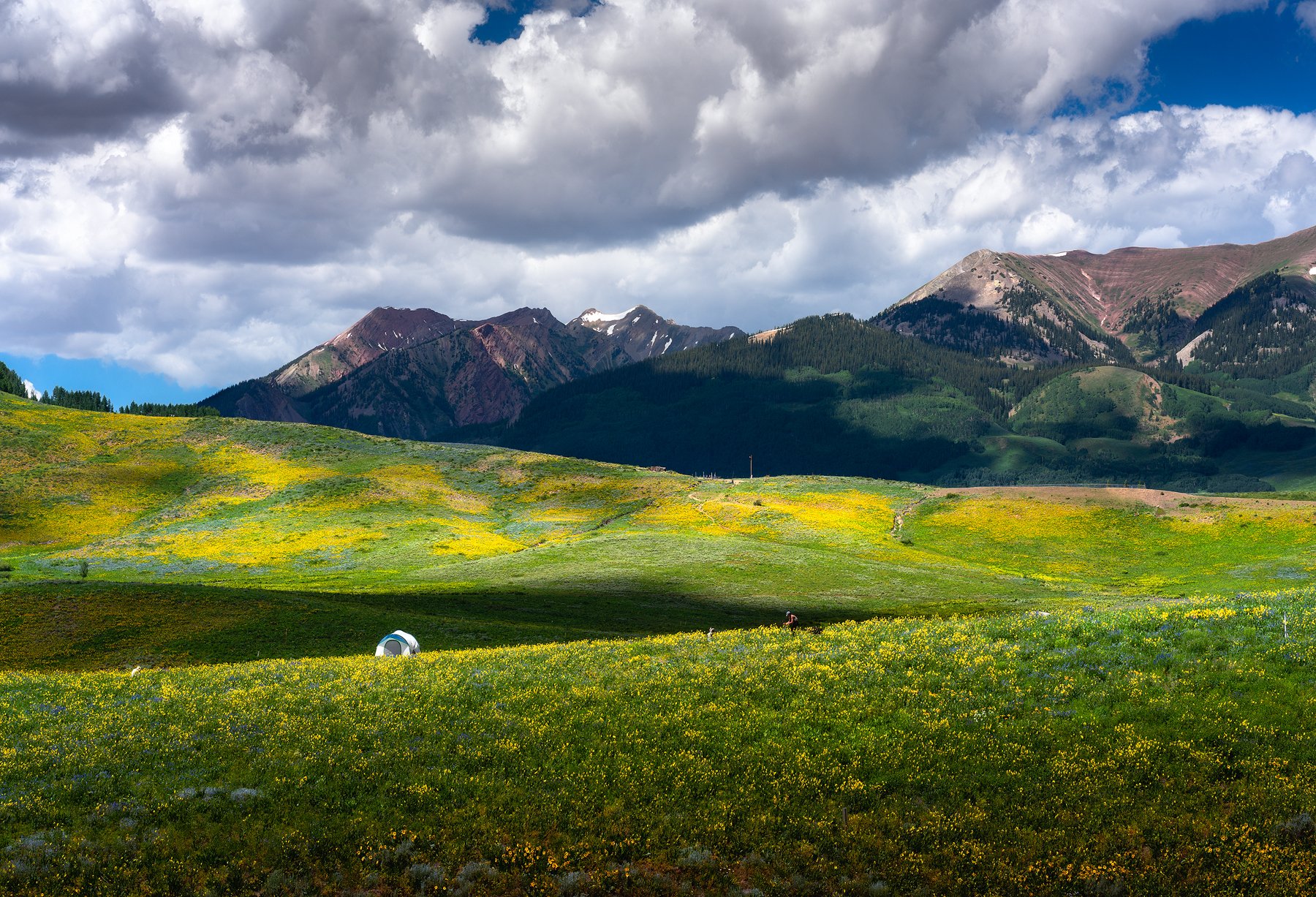
camping area during a superbloom in the village of Mount Crested Butte
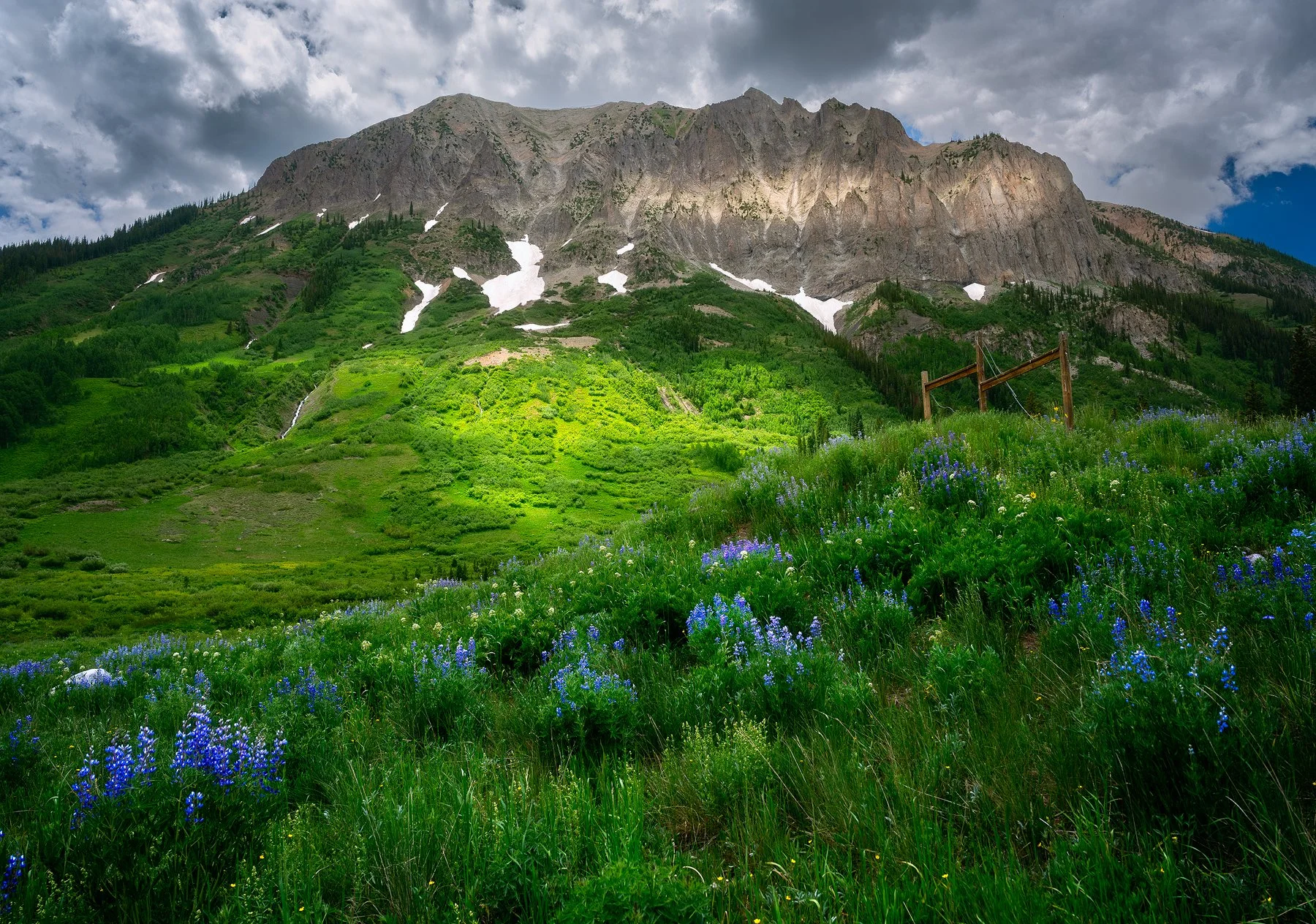
Field of wildflowers with the dramatic cliff of Gothic Mountains
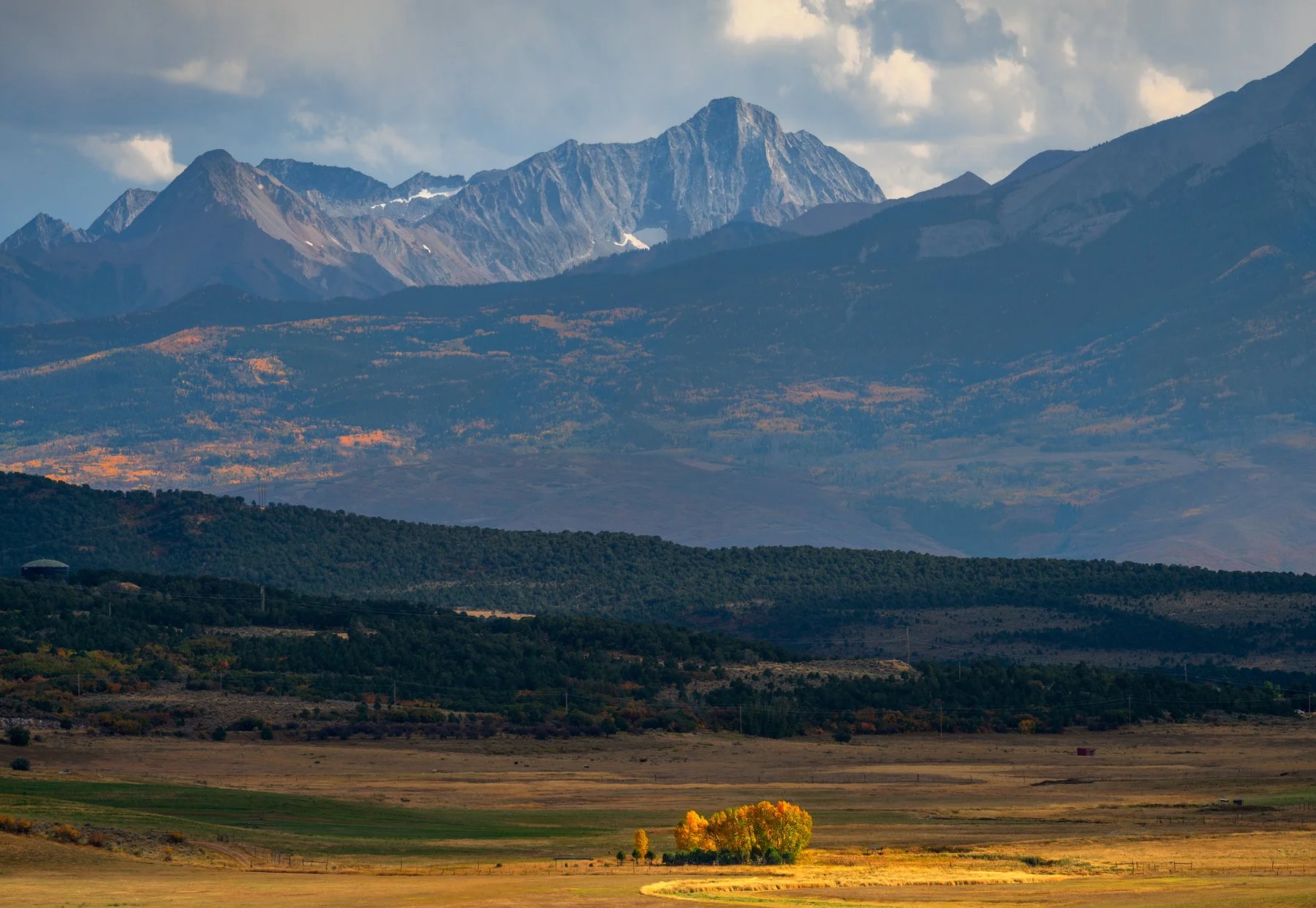
The legendary Capitol Peak at 14,130 feet soaring 8000 feet above the valleys below
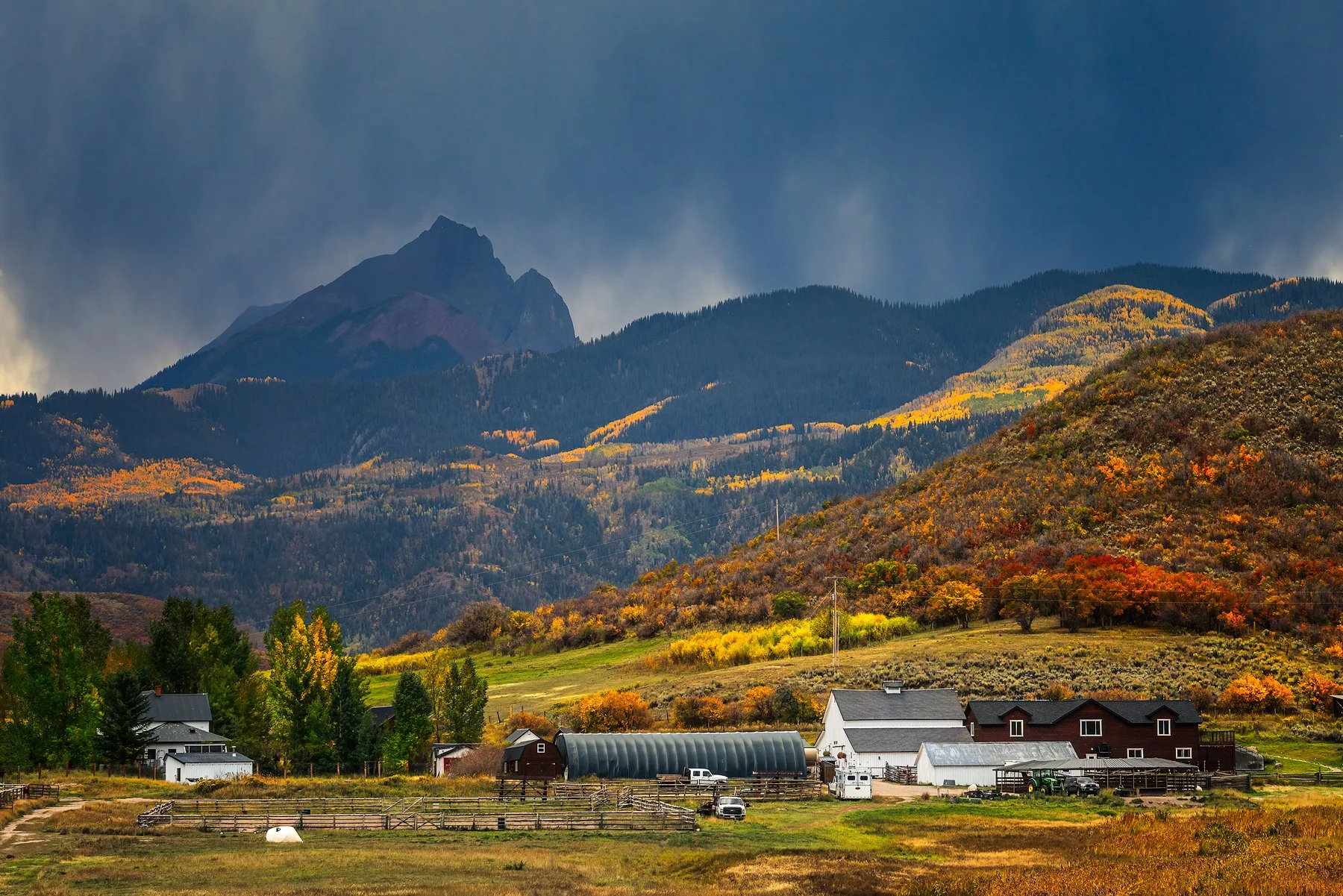
A rural farm scene with houses, barns, and greenhouses in the foreground, and a mountain range with colorful trees in autumn in the background with dark stormy clouds overhead.
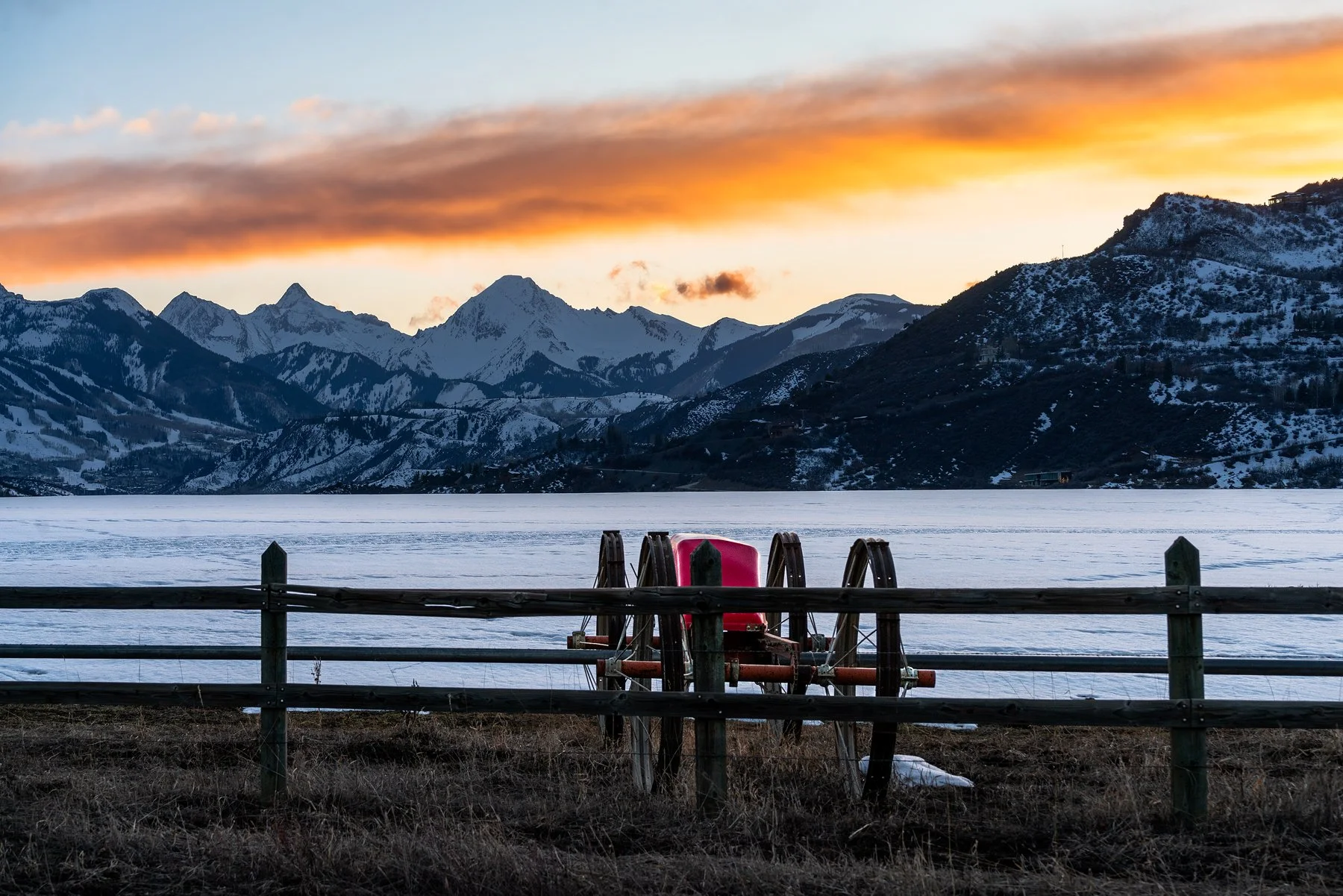
Frozen lake with a mountain range in the background during sunset, orange and pink clouds in the sky, with a red water pump and a wooden fence in the foreground.
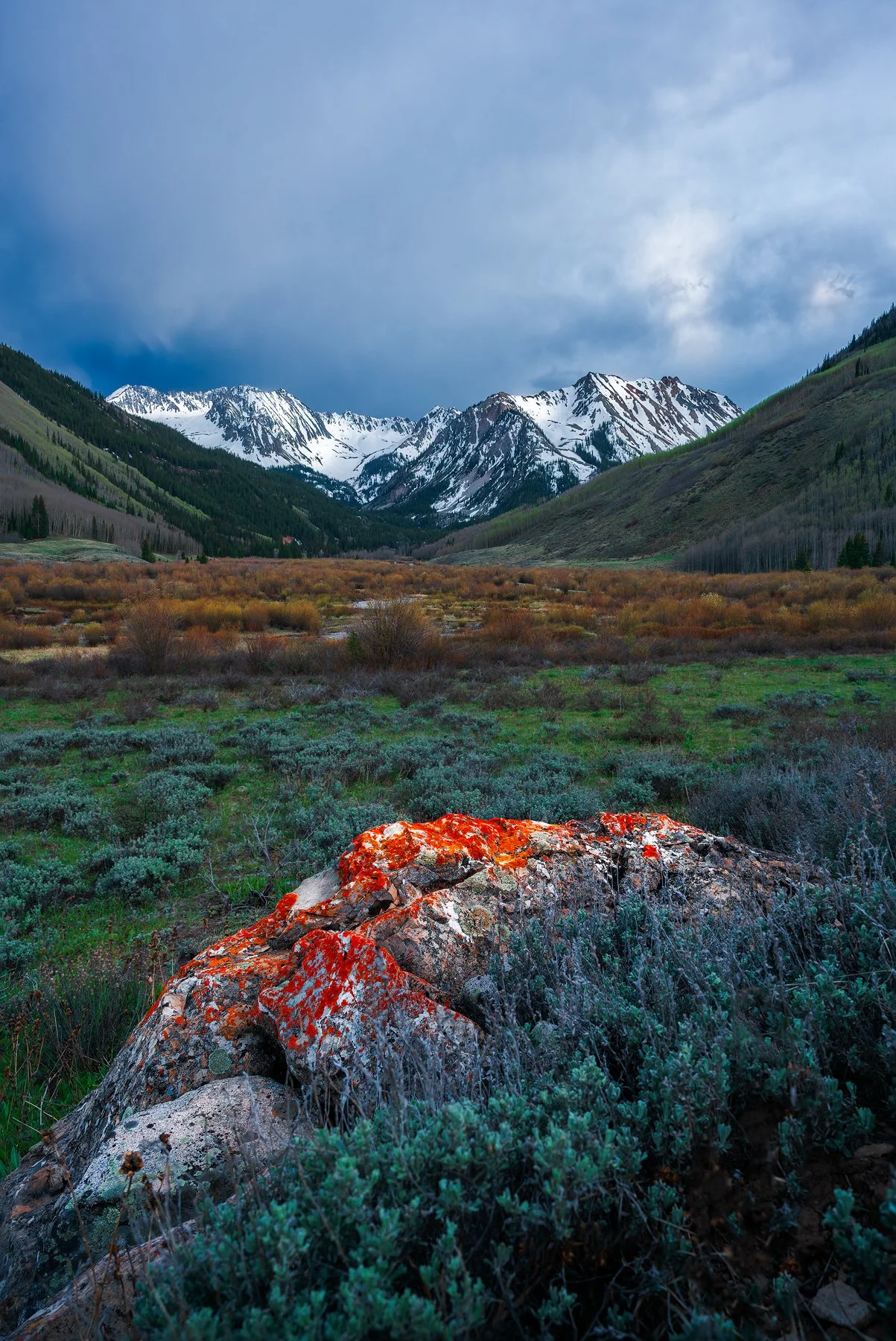
Scenic view of snow-capped mountains, green hills, and a cloudy sky with colorful foreground rocks and lush vegetation.
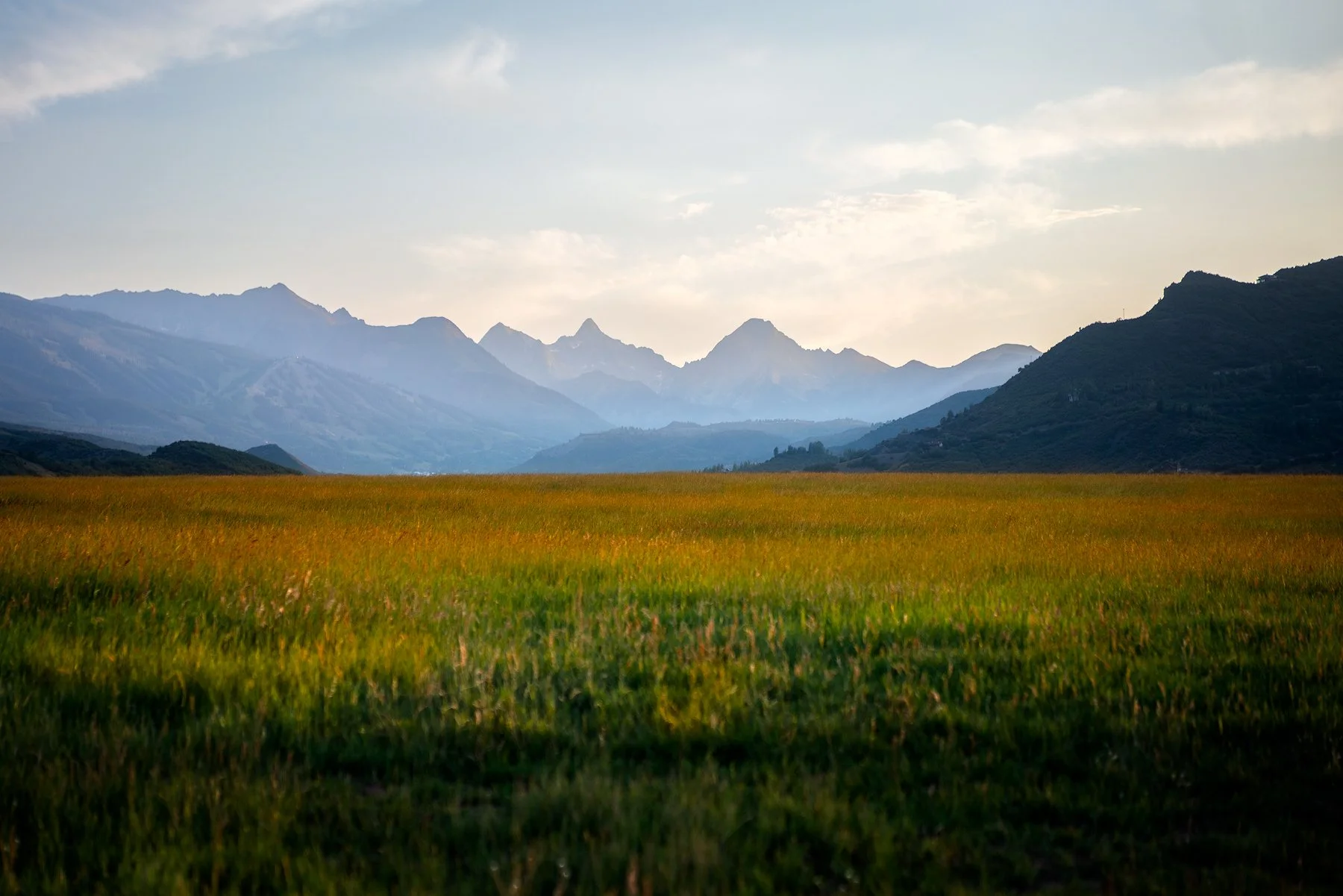
A vast green meadow with yellow and green grass stretches towards a range of mountains in the distance. The mountains are rugged and some peaks are jagged. The sky above is partly cloudy with sunlight illuminating the landscape.
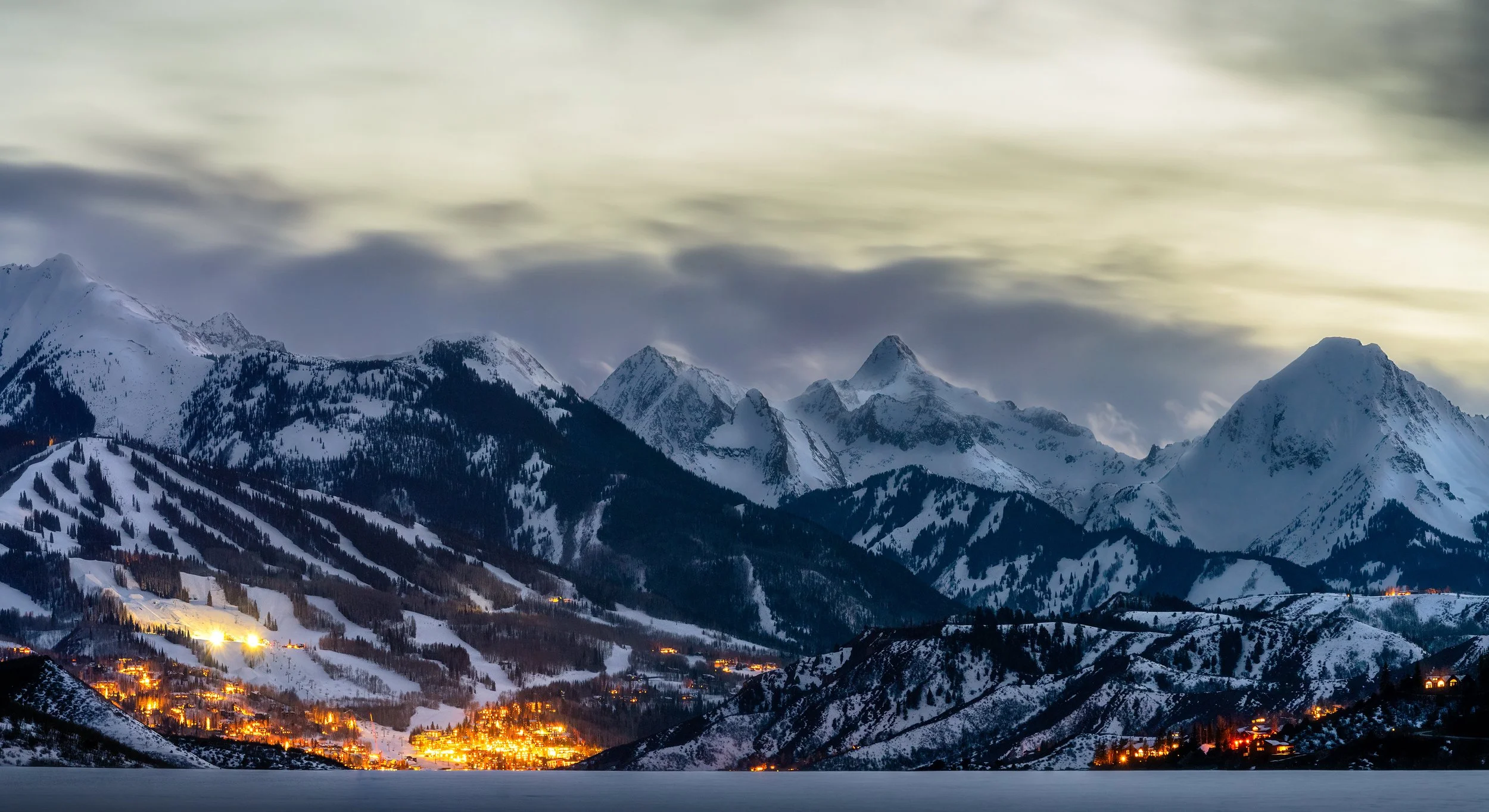
Snow-covered mountains against a cloudy sky with a town lit up at the base of the mountains near a body of water.
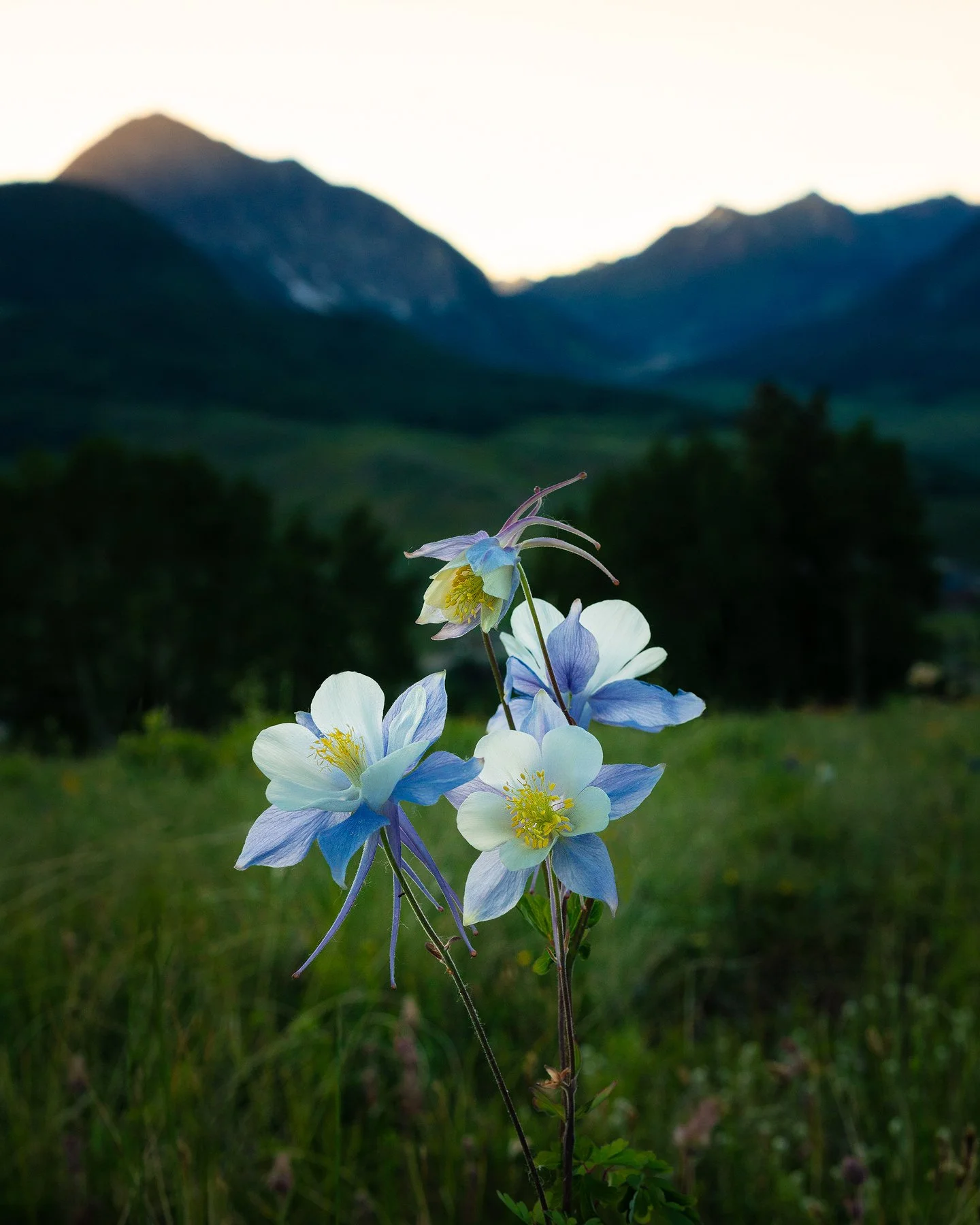
Close-up of a delicate flower with white and blue petals, yellow center, and purple stamens, set against a blurred natural background with mountains at dusk or dawn.
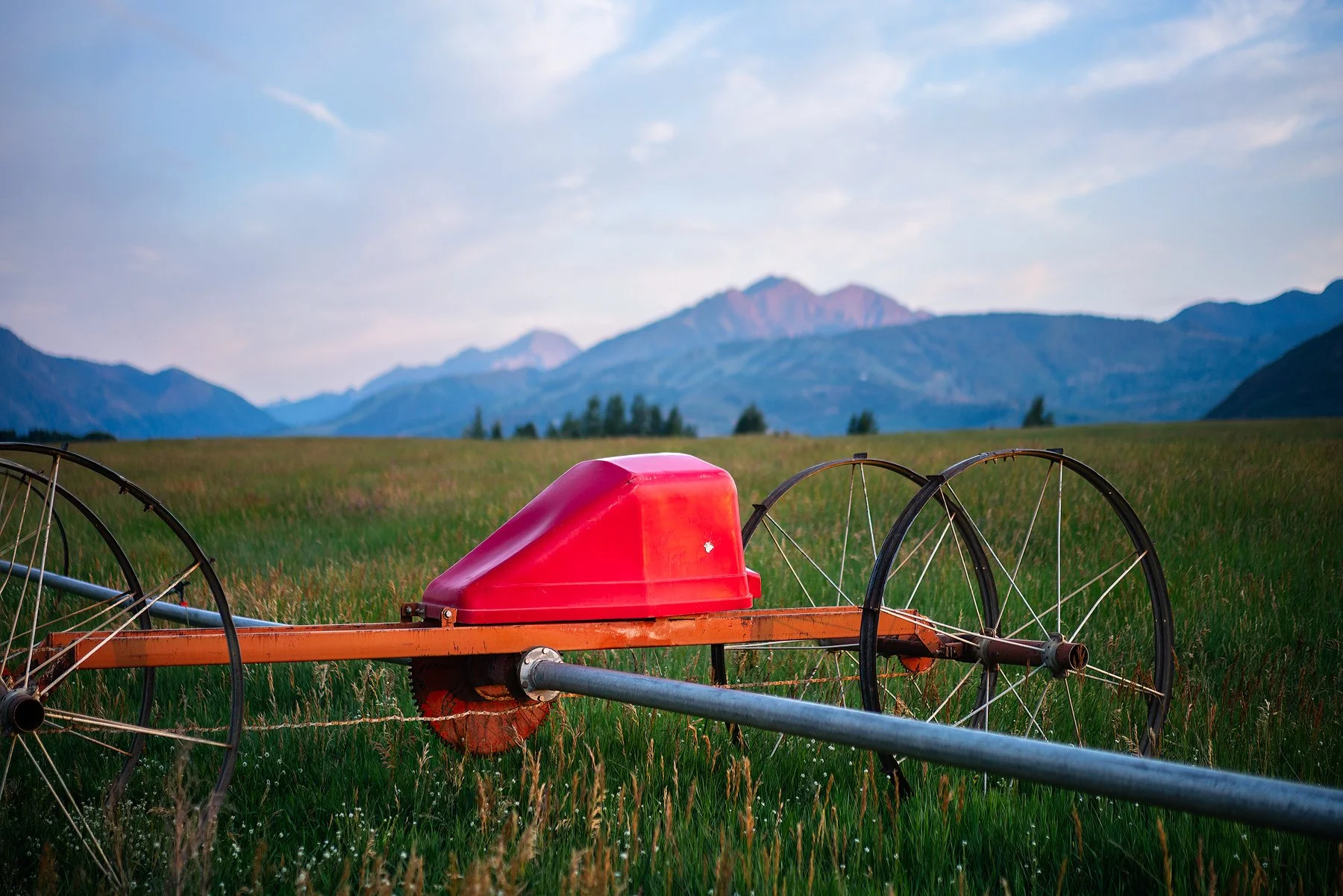
Image of a piece of farm equipment with large wheels and a red cover, situated in a green field with mountains and a blue sky in the background.
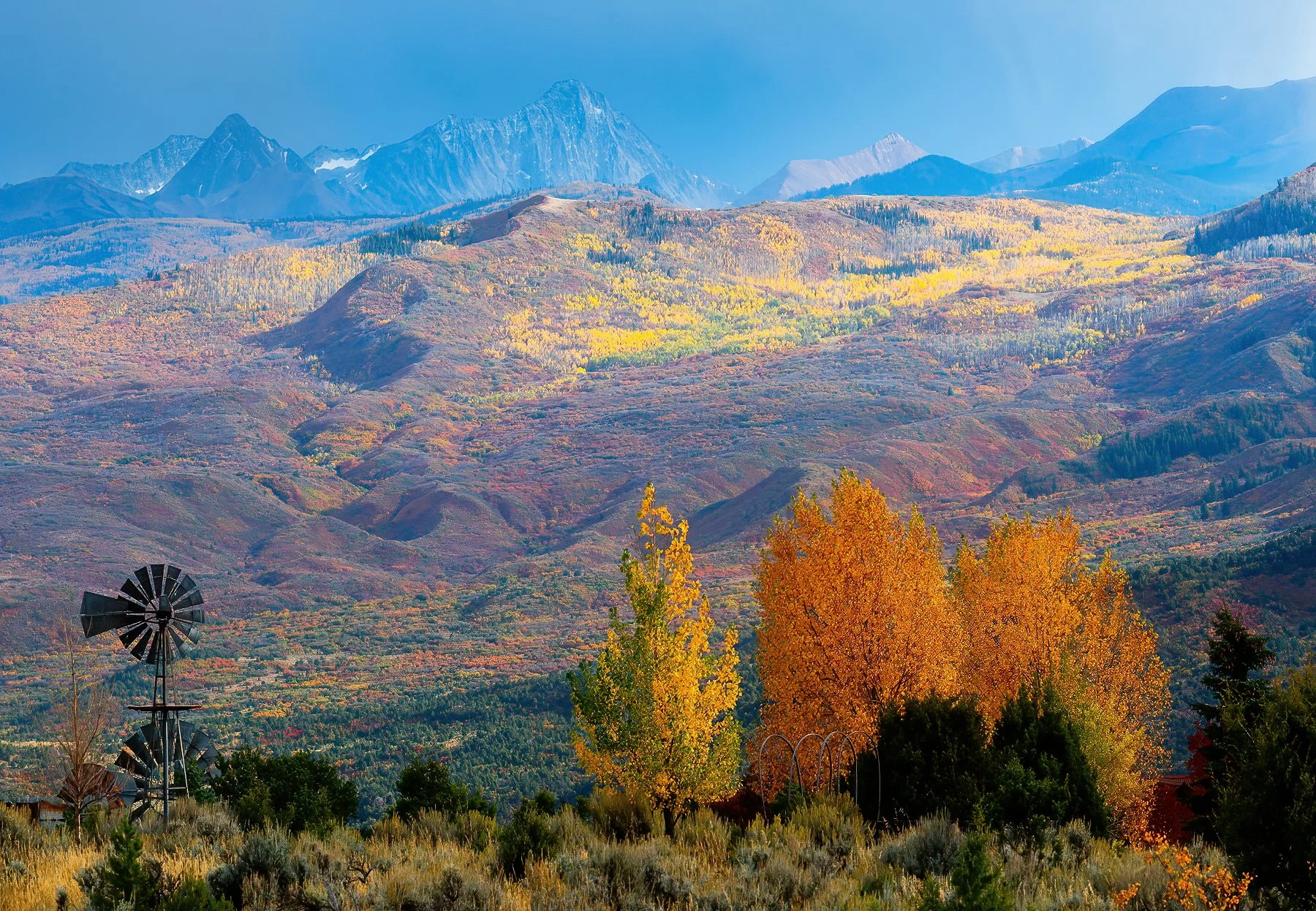
A scenic landscape of colorful fall foliage with mountains in the background and a small windmill in the foreground.
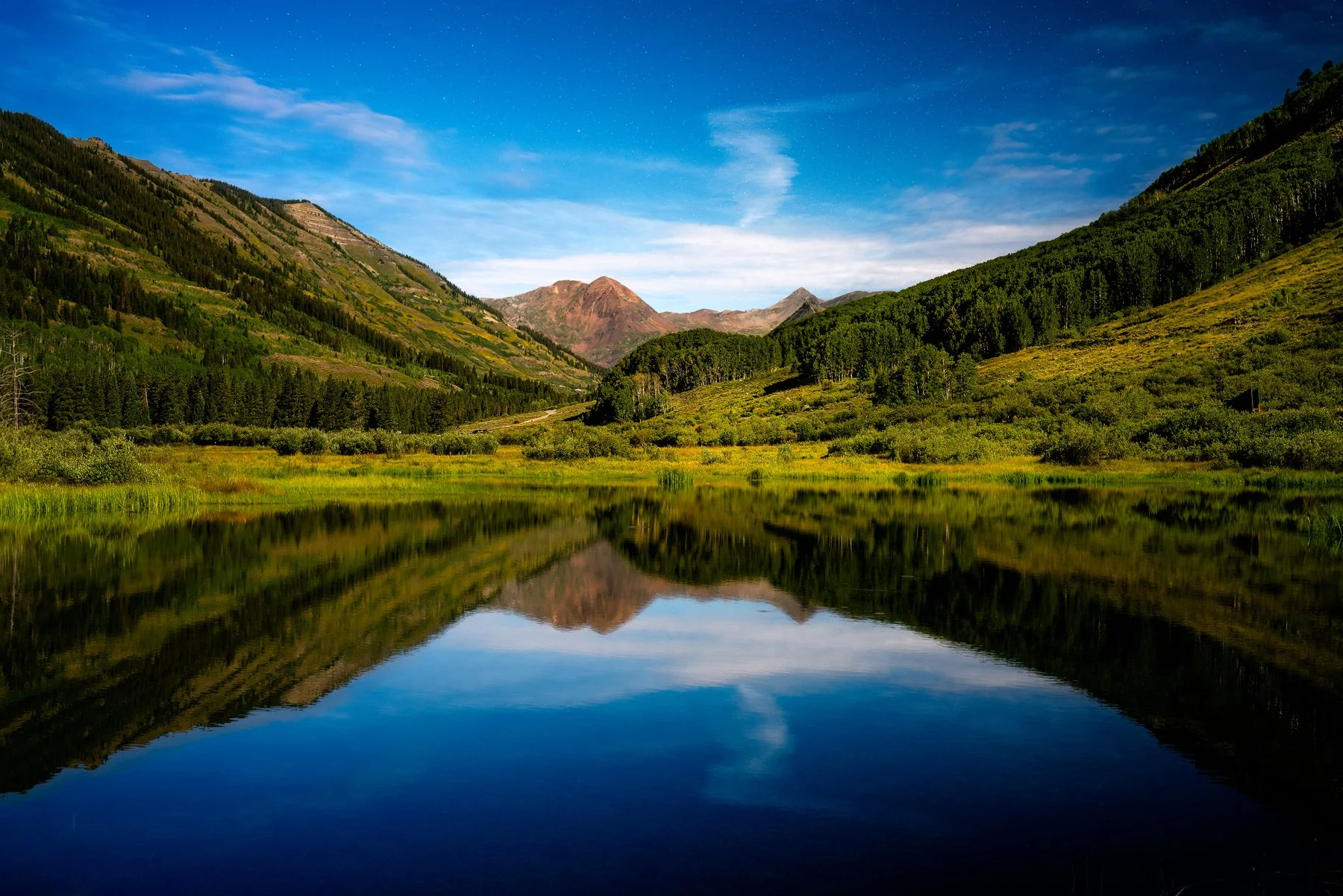
A scenic mountain landscape with lush green hills, reflecting in a calm lake under a partly cloudy blue sky with stars.
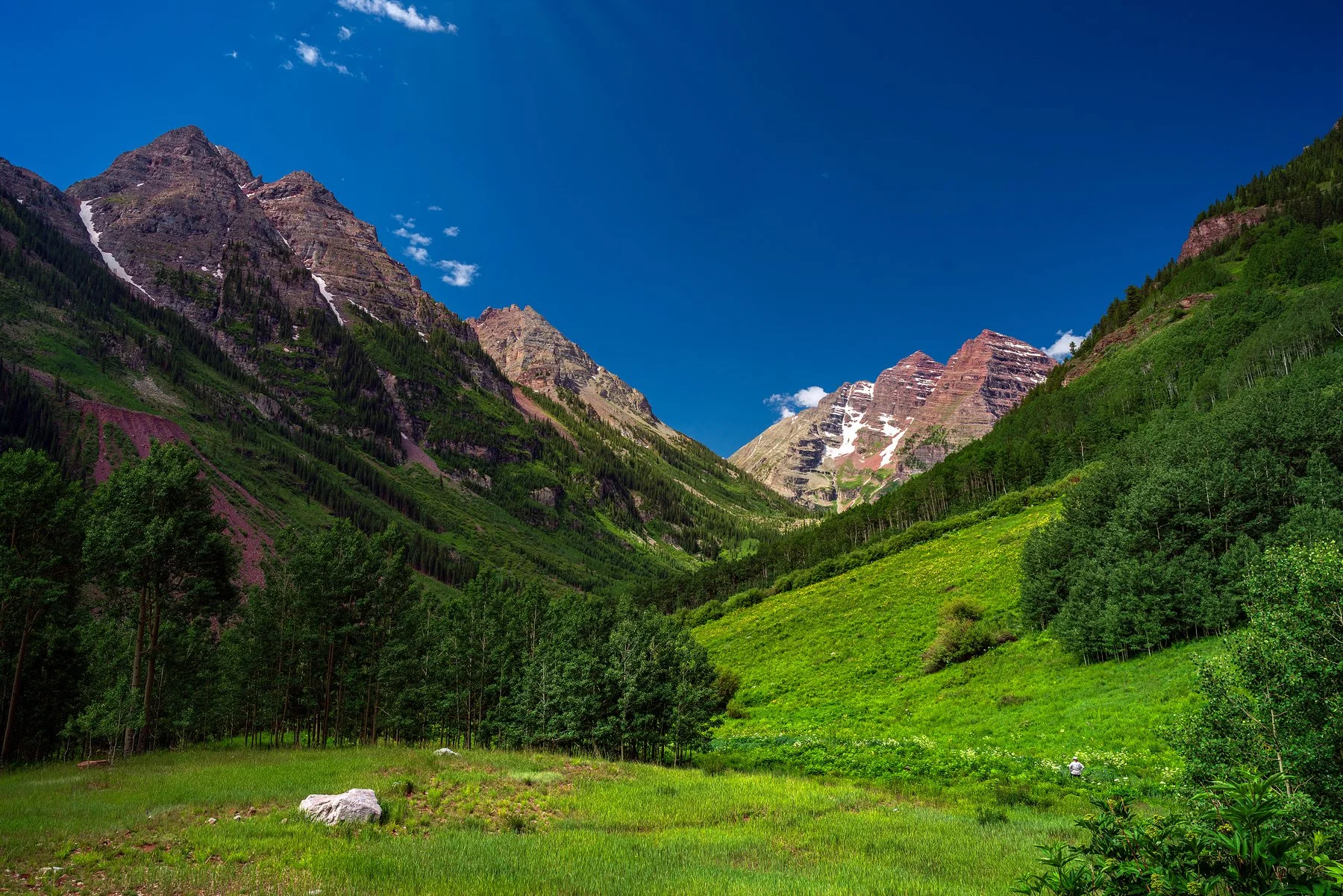
Mountain landscape with green valley, tall mountain peaks in the background, and a clear blue sky.
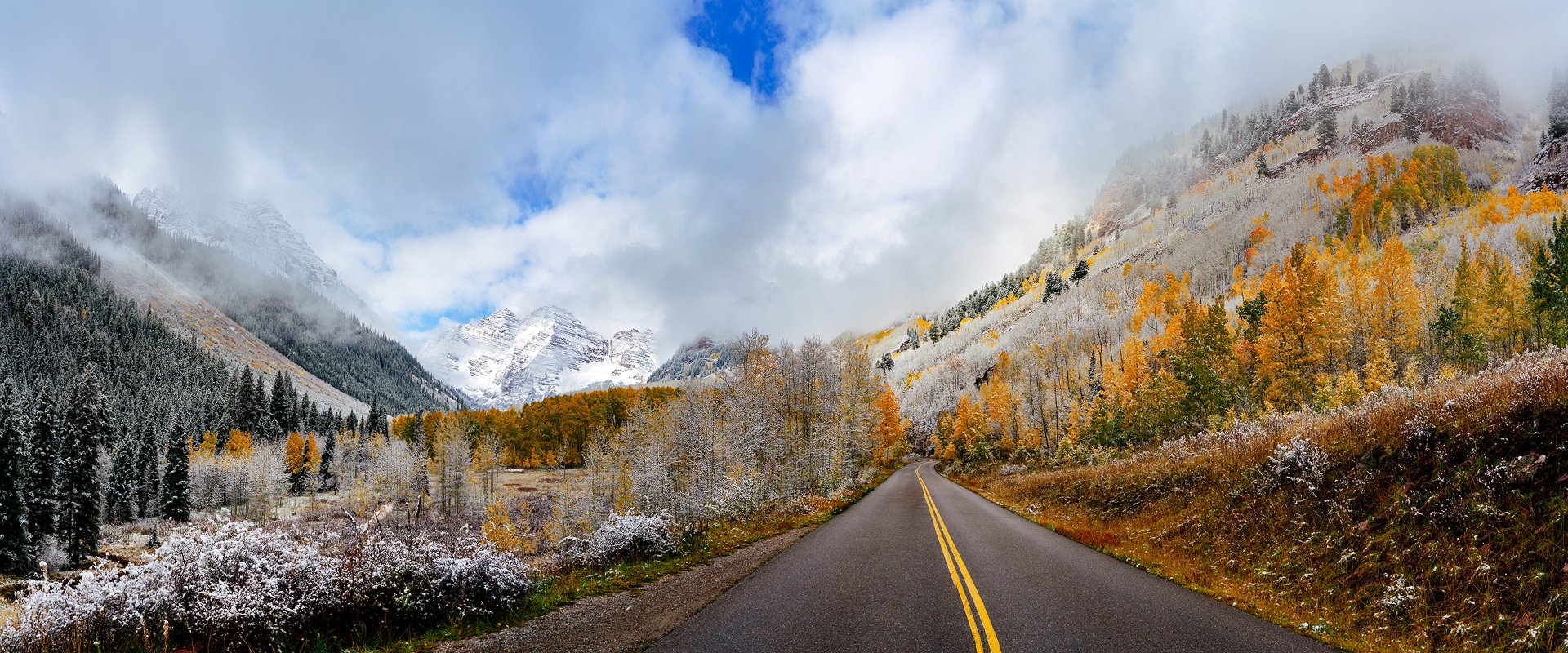
A winding mountain road through a valley with snow-covered trees and mountains, vibrant autumn foliage on the right, and partly cloudy sky.
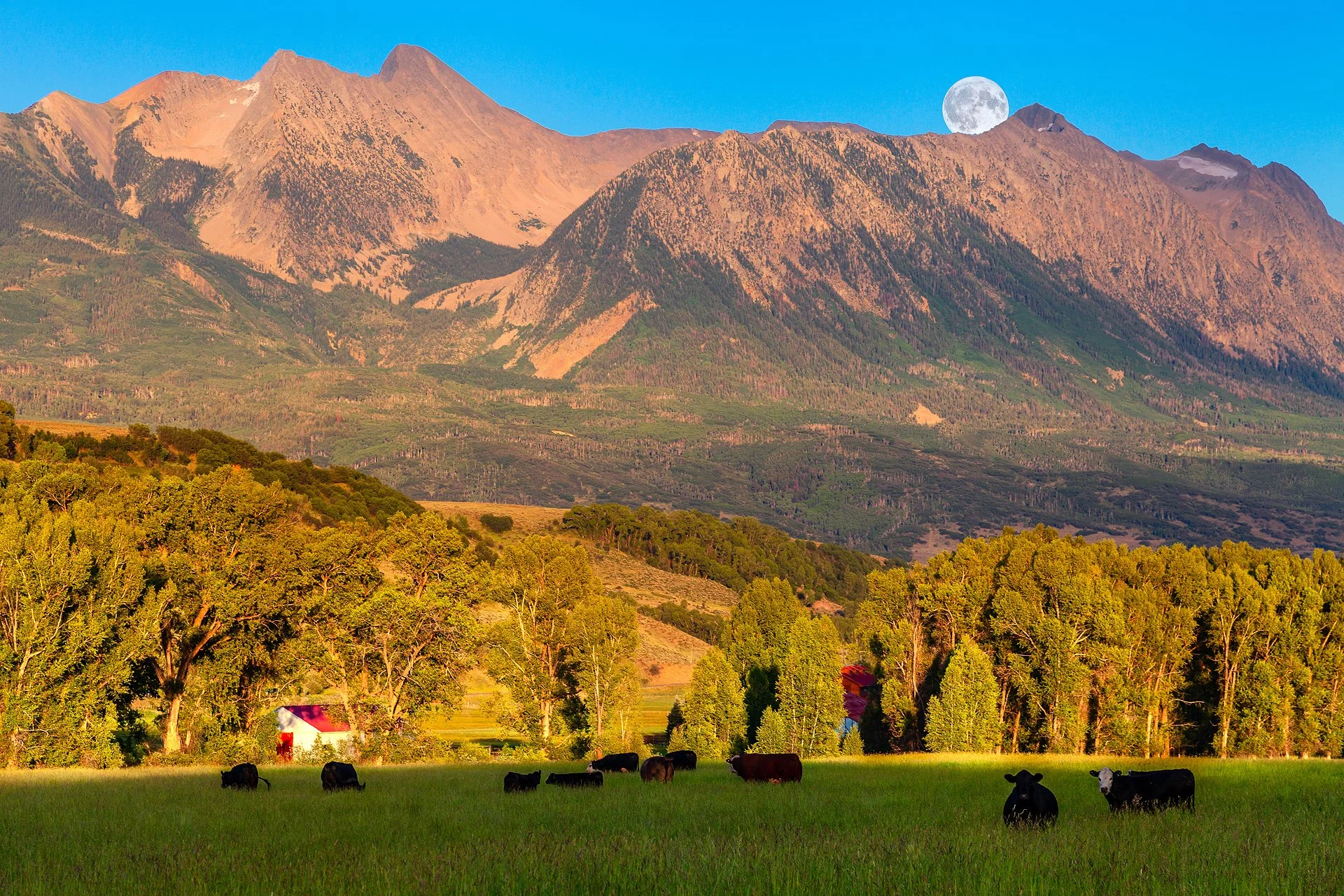
Cows grazing in a lush green field with mountains in the background and a large full moon in the clear blue sky.
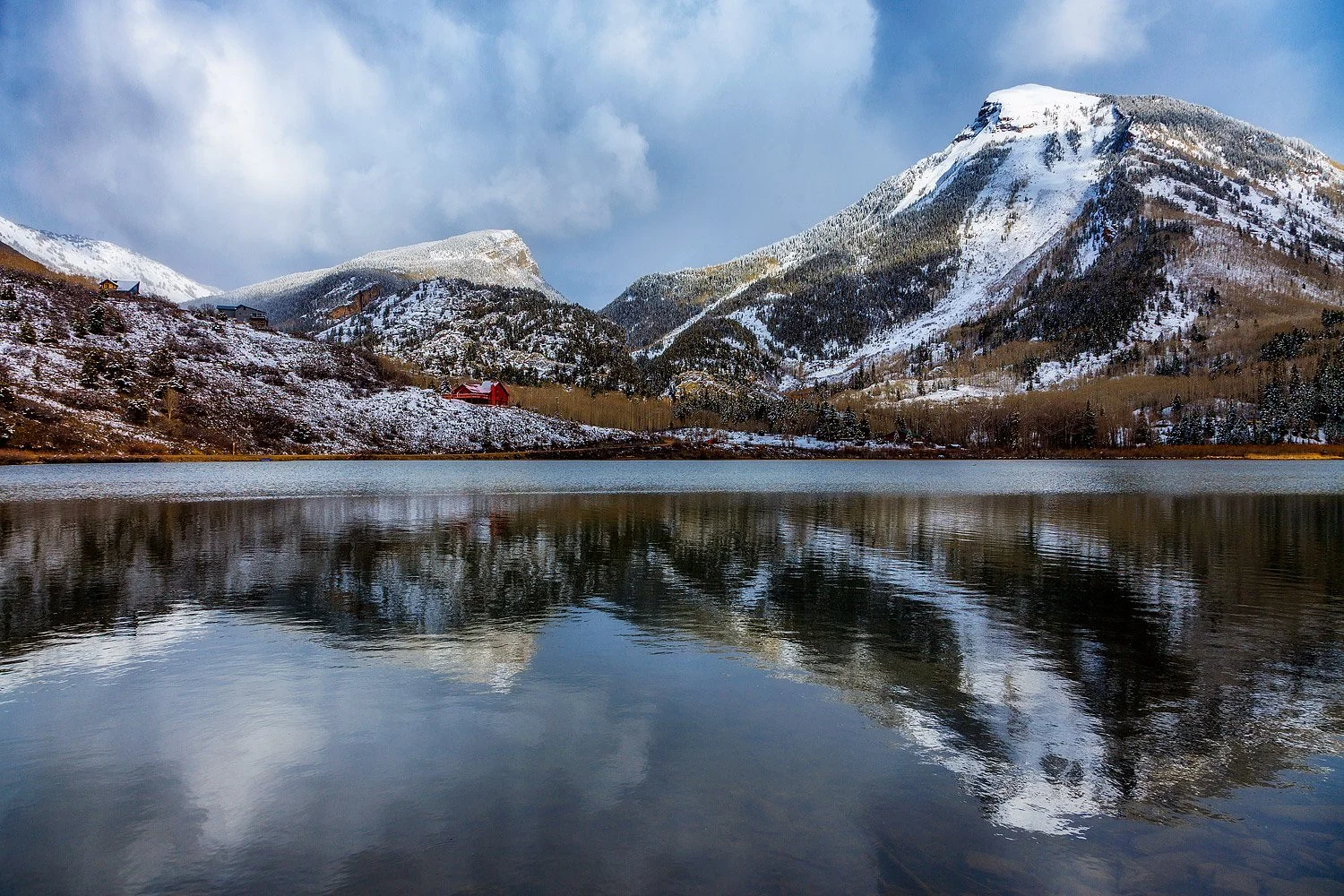
Snow-capped mountains and hills surrounding a calm lake with reflections of the mountains, some small houses on the hills, and a partly cloudy sky.
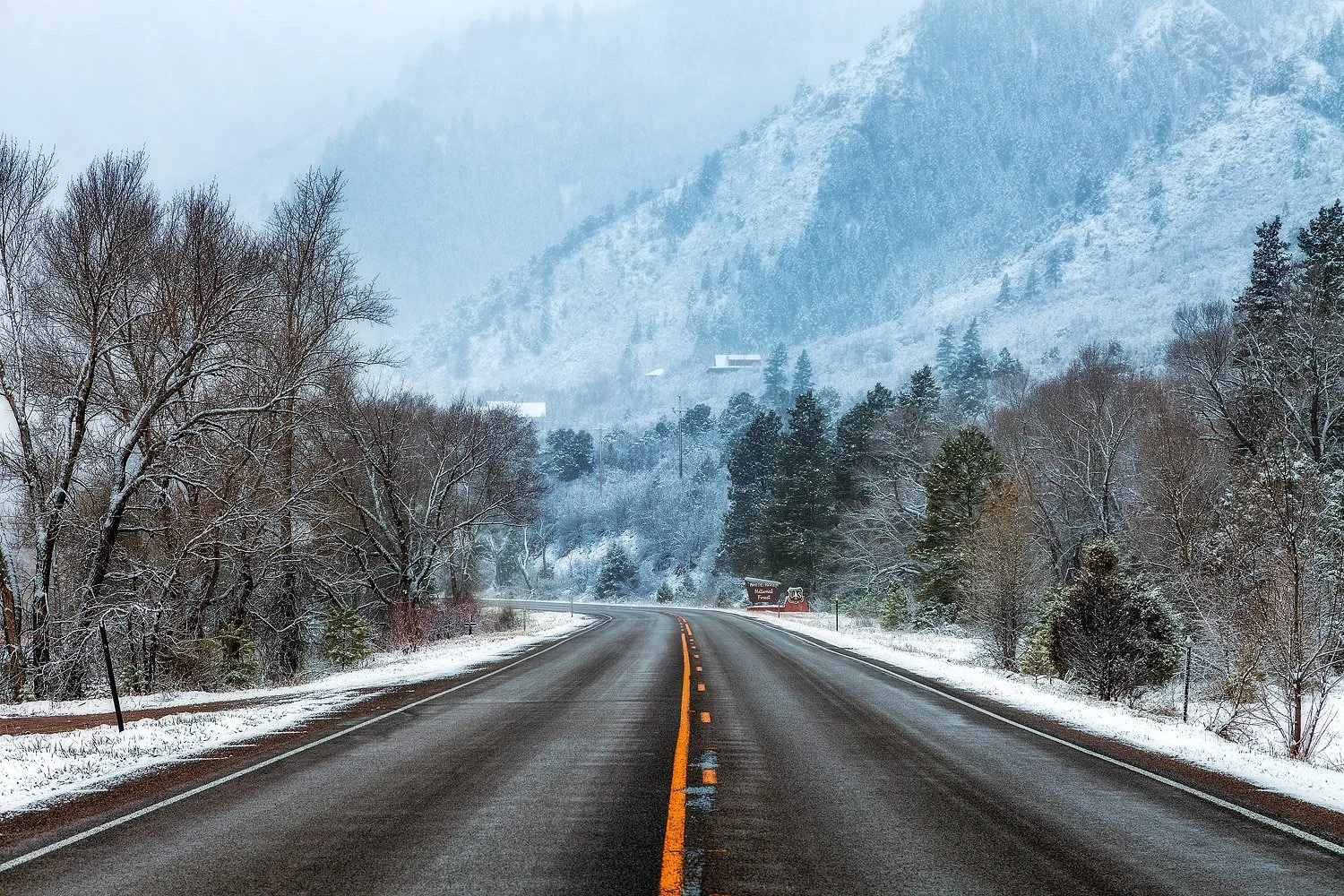
A two-lane road in a snowy mountainous landscape, with trees on both sides and a sign in the distance.
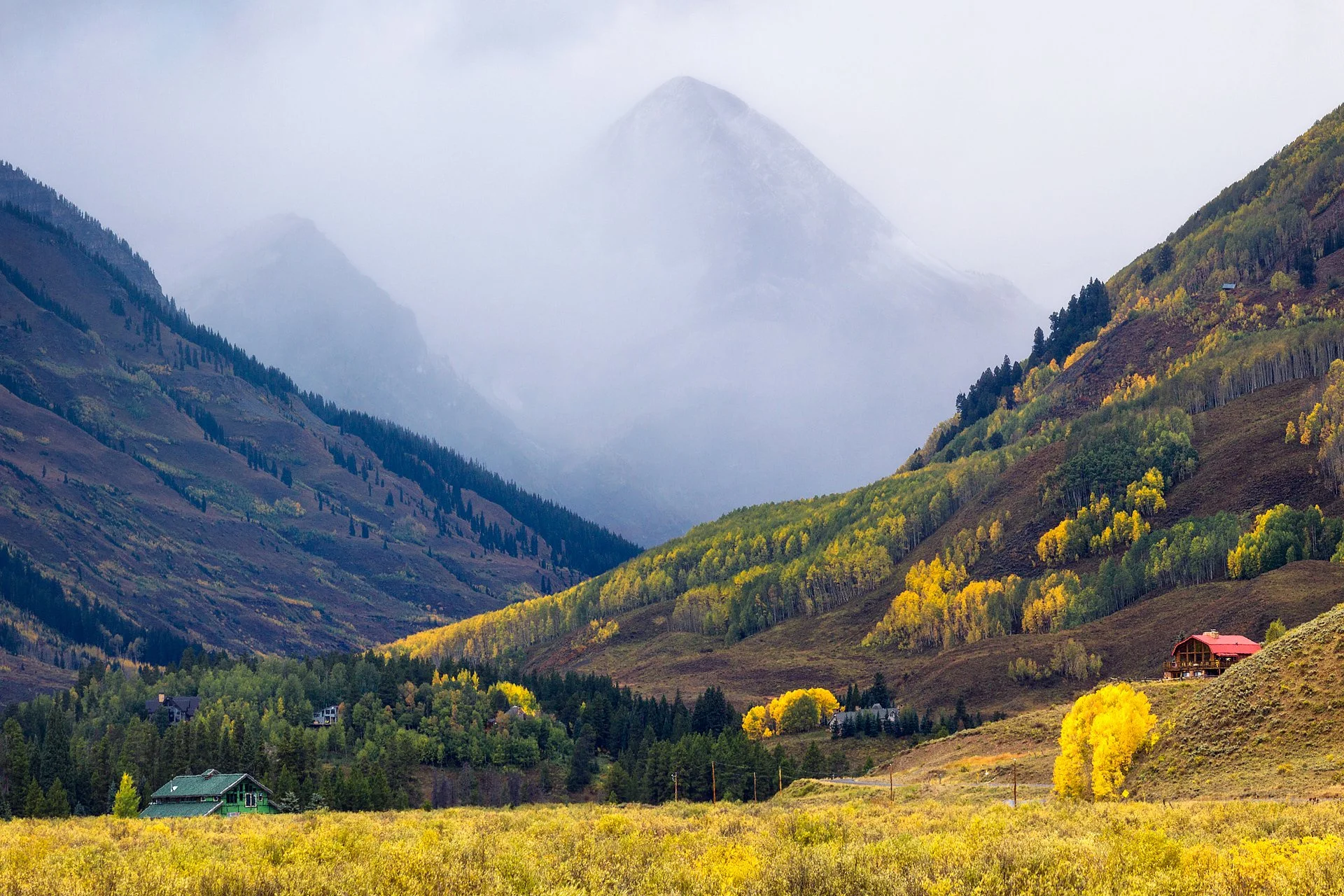
Scenic mountain valley with lush trees, colorful foliage, scattered houses, and misty mountain peaks in the background.
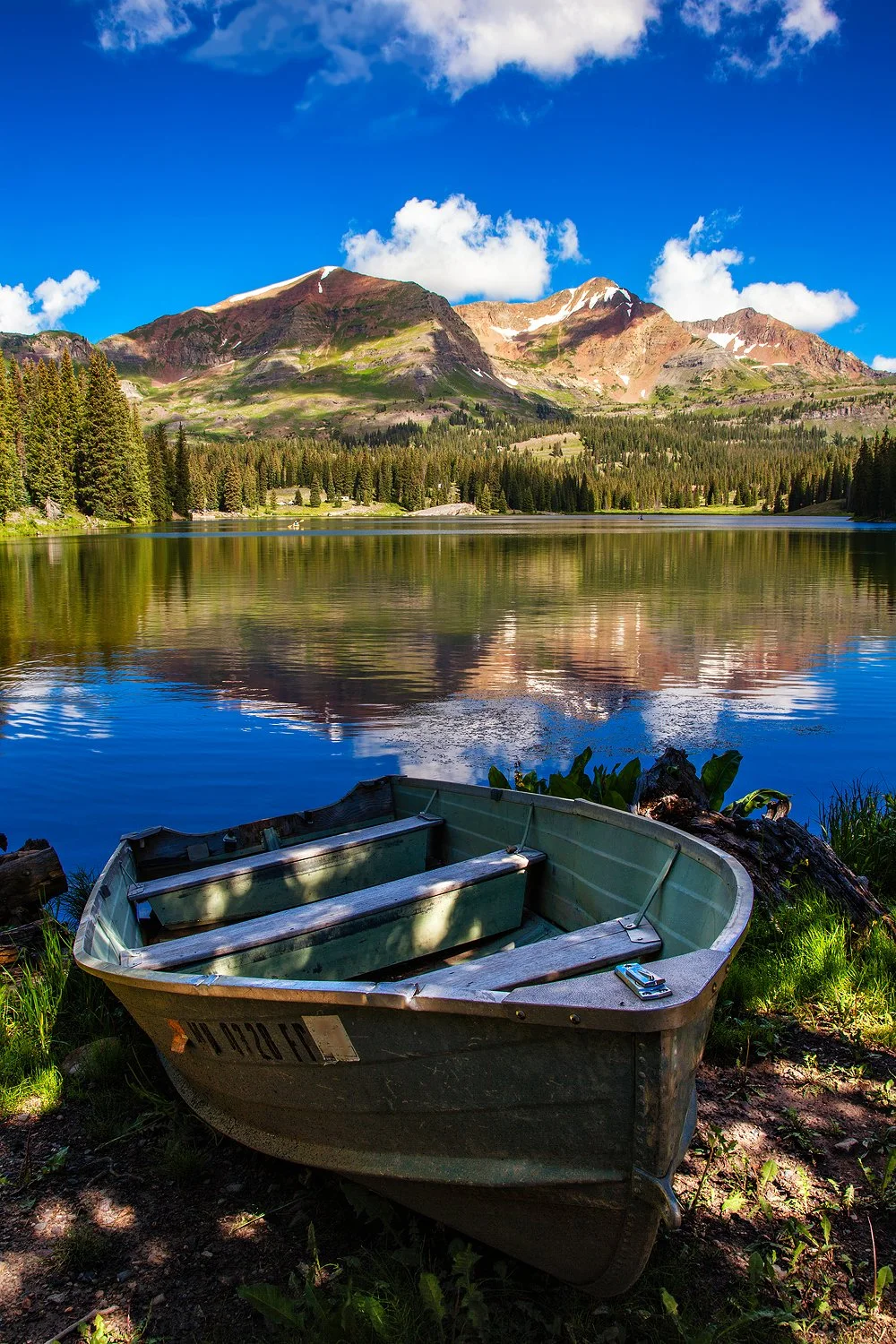
A small boat resting on the grassy shore of a lake surrounded by tall pine trees, with mountain peaks and a partly cloudy blue sky reflected in the calm water.
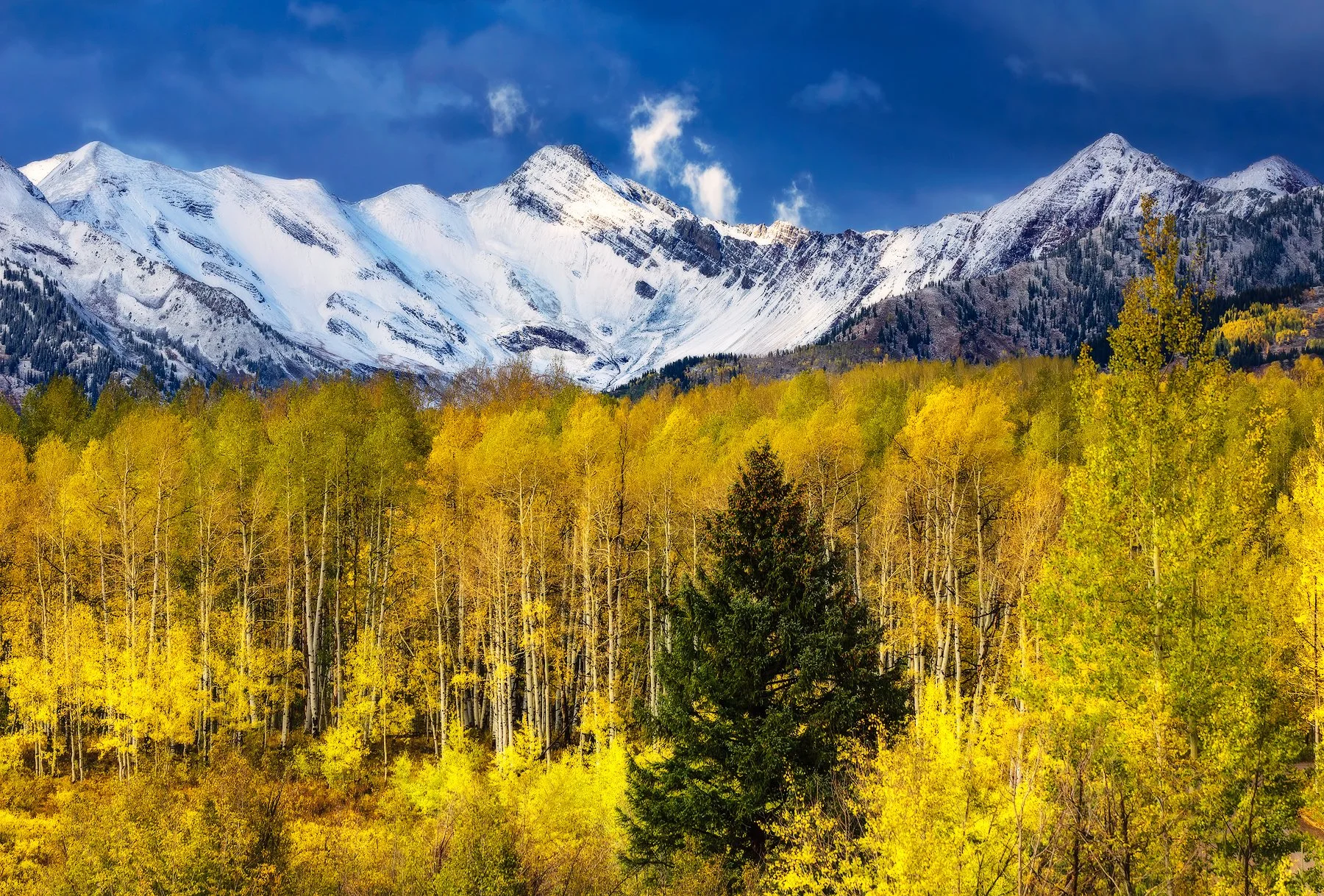
Snow-capped mountains with a forest of yellow and green trees in the foreground.
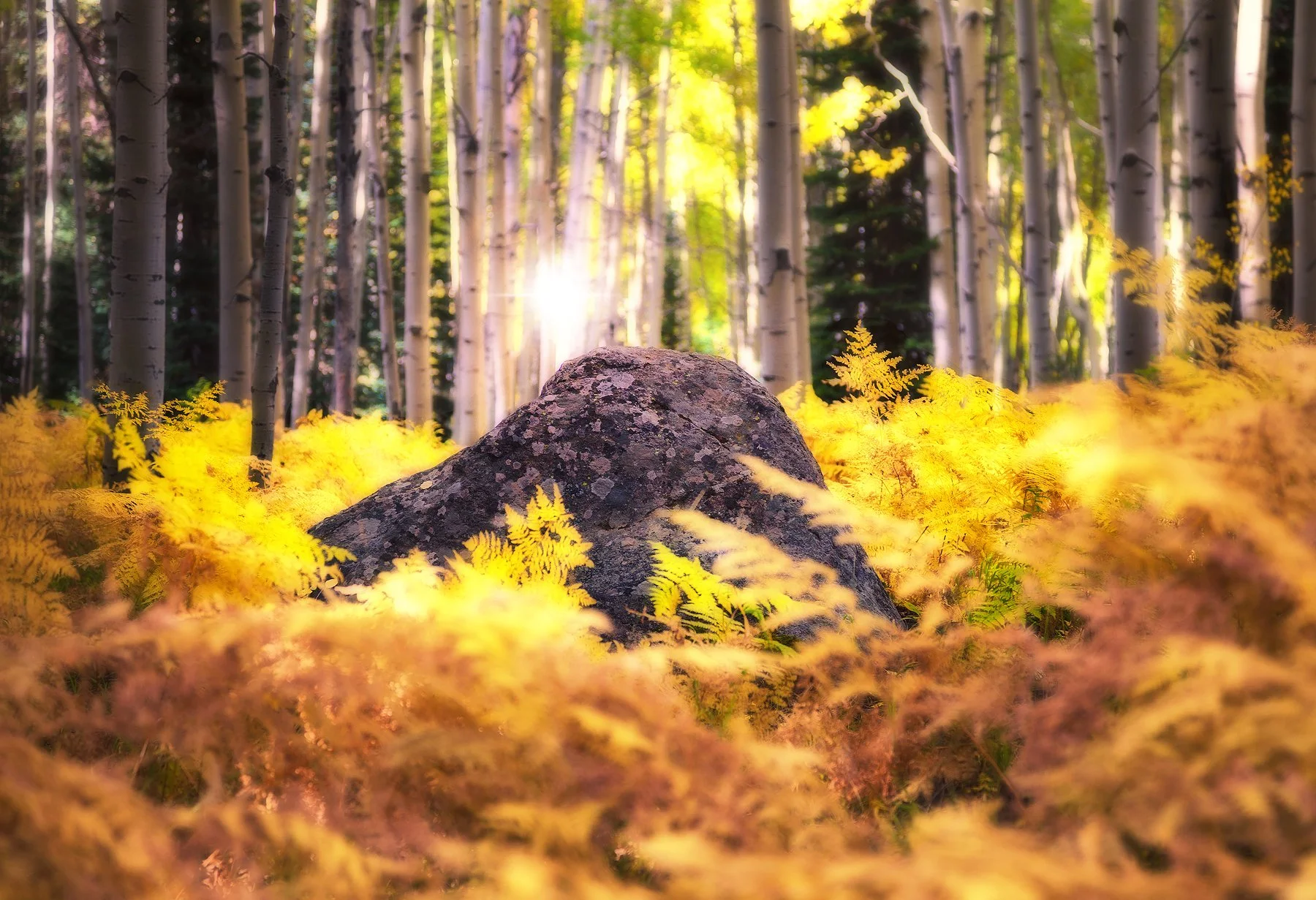
Sunlight filtering through a forest of tall, white-barked trees. In the foreground, a large moss-covered rock surrounded by vibrant yellow and orange foliage. The scene captures a peaceful, illuminated woodland setting.
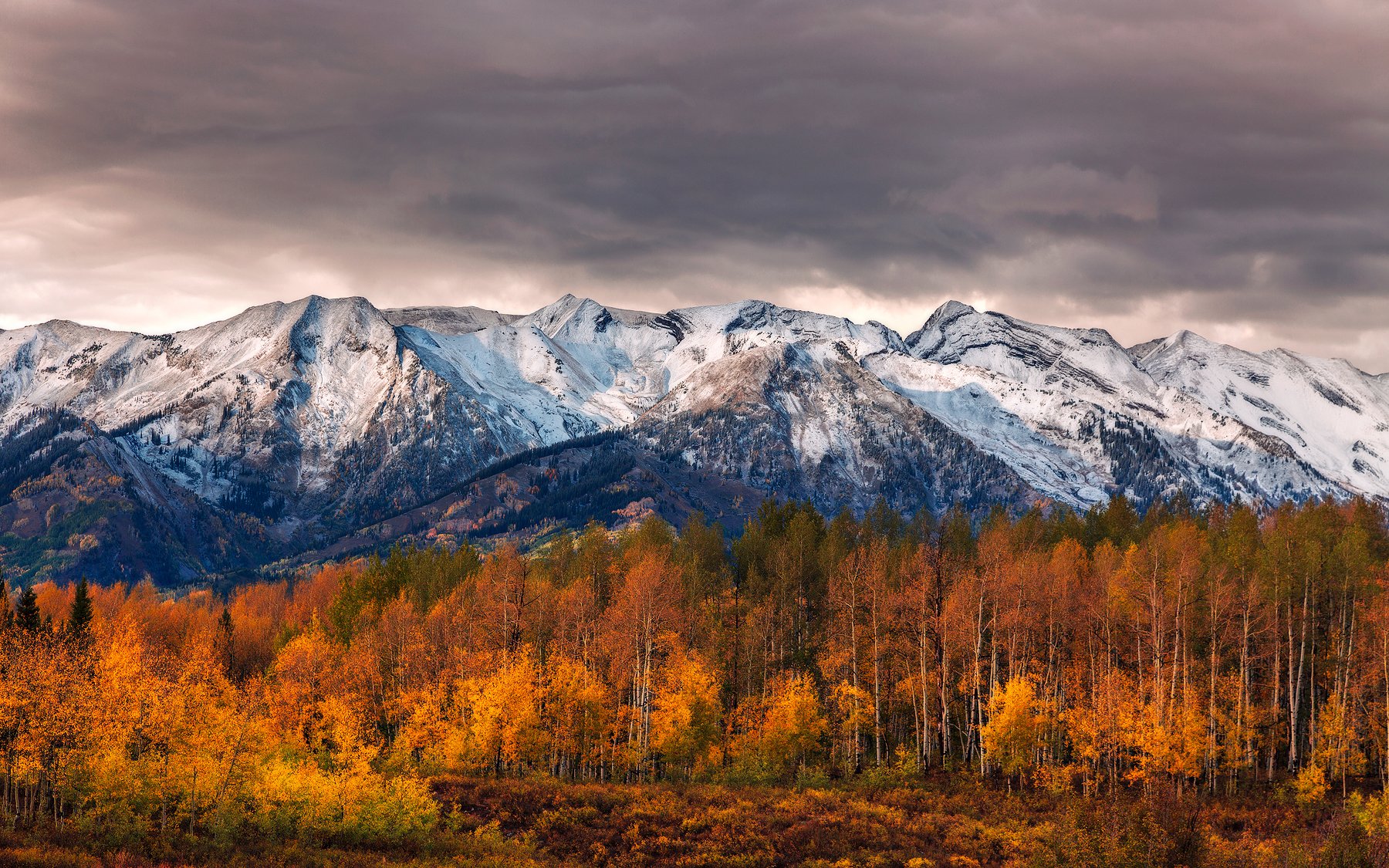
The Ragged Mountains from Kebler Pass Road west of Crested Butte
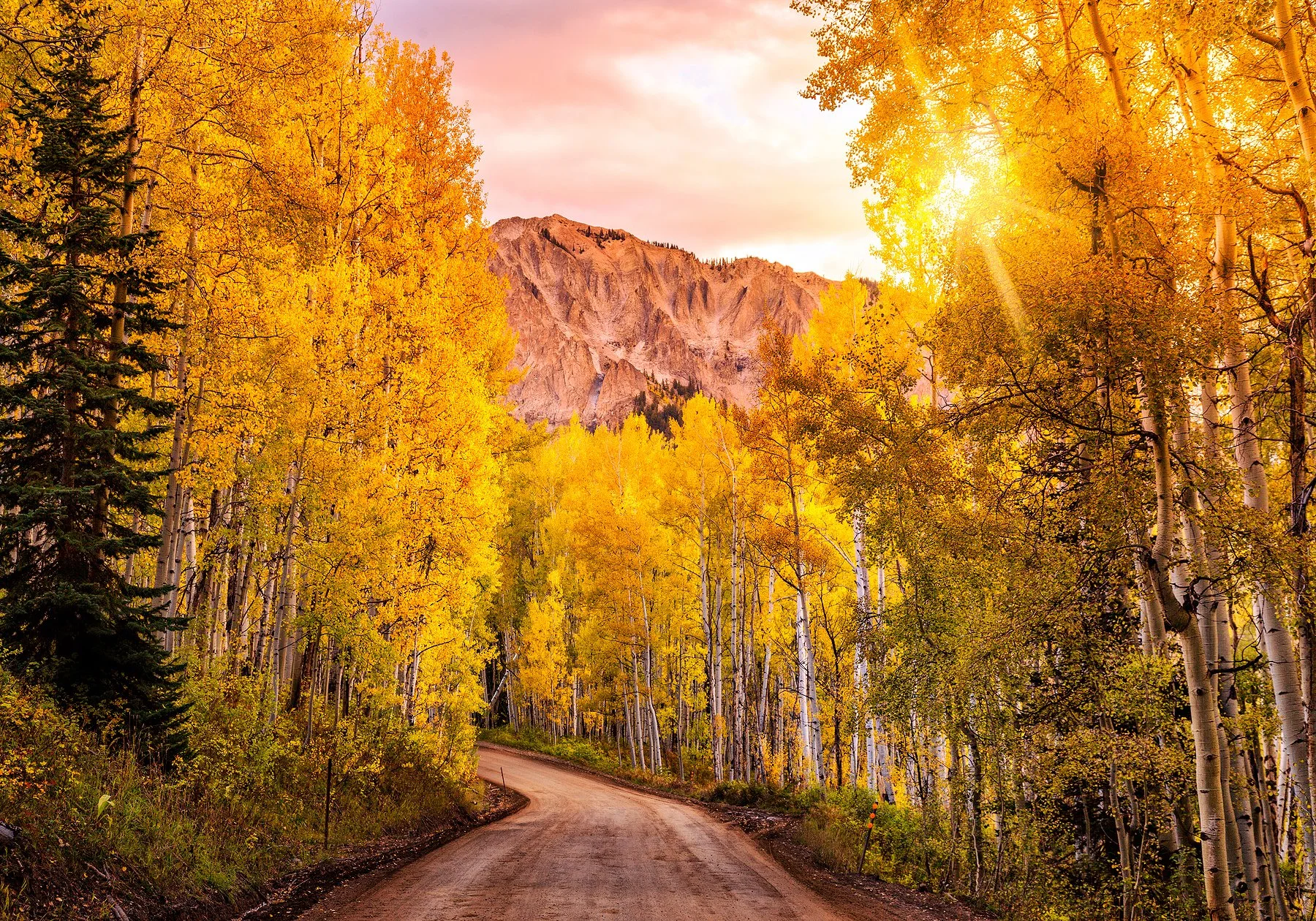
The shining sunlight filtering through aspen trees along Kebler Pass Road west of Crested Butte
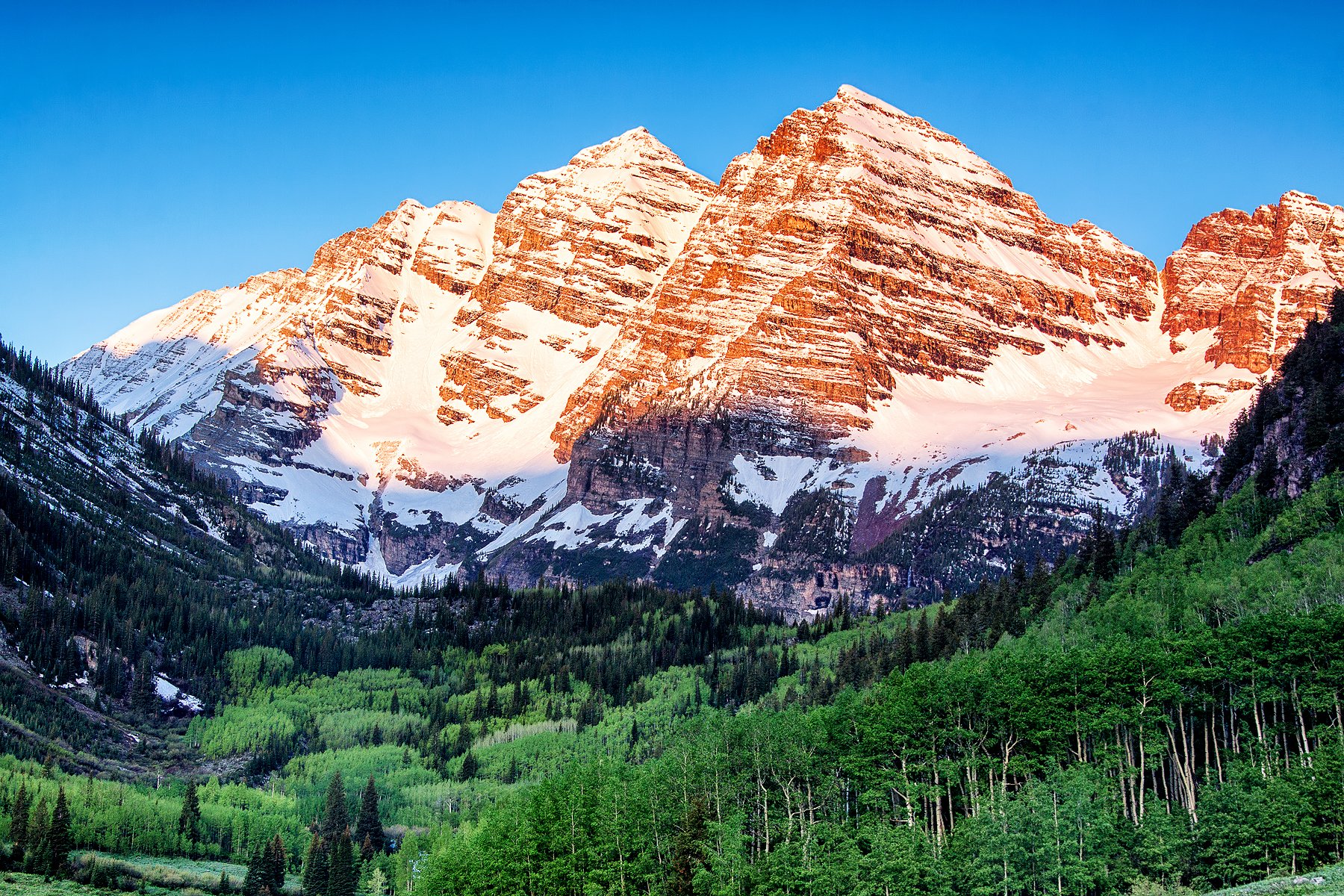
The one and only, North America's most photographed mountain peaks, the Maroon Bells
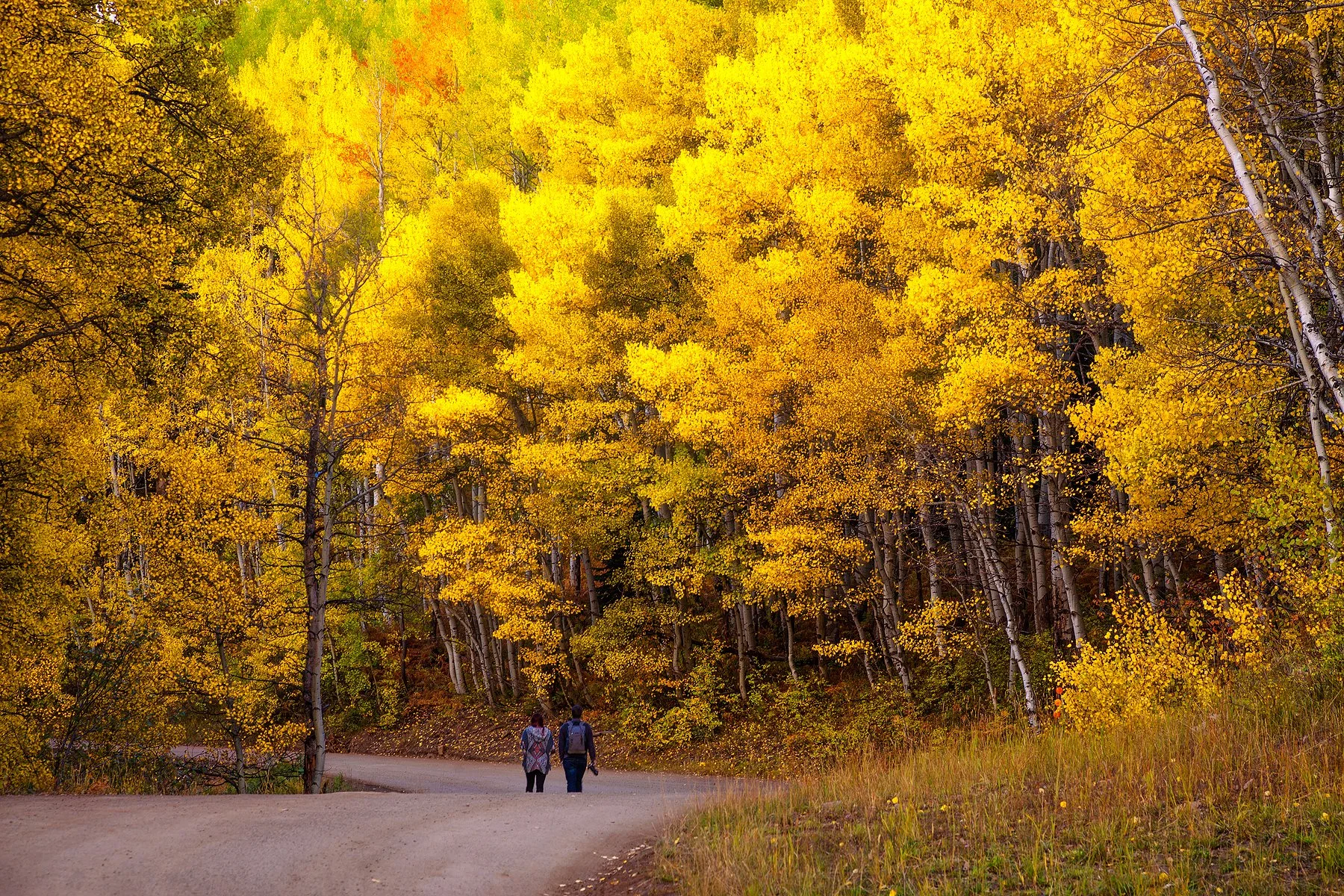
A couple enjoying a fall afternoon walk through golden aspens near Crested Butte
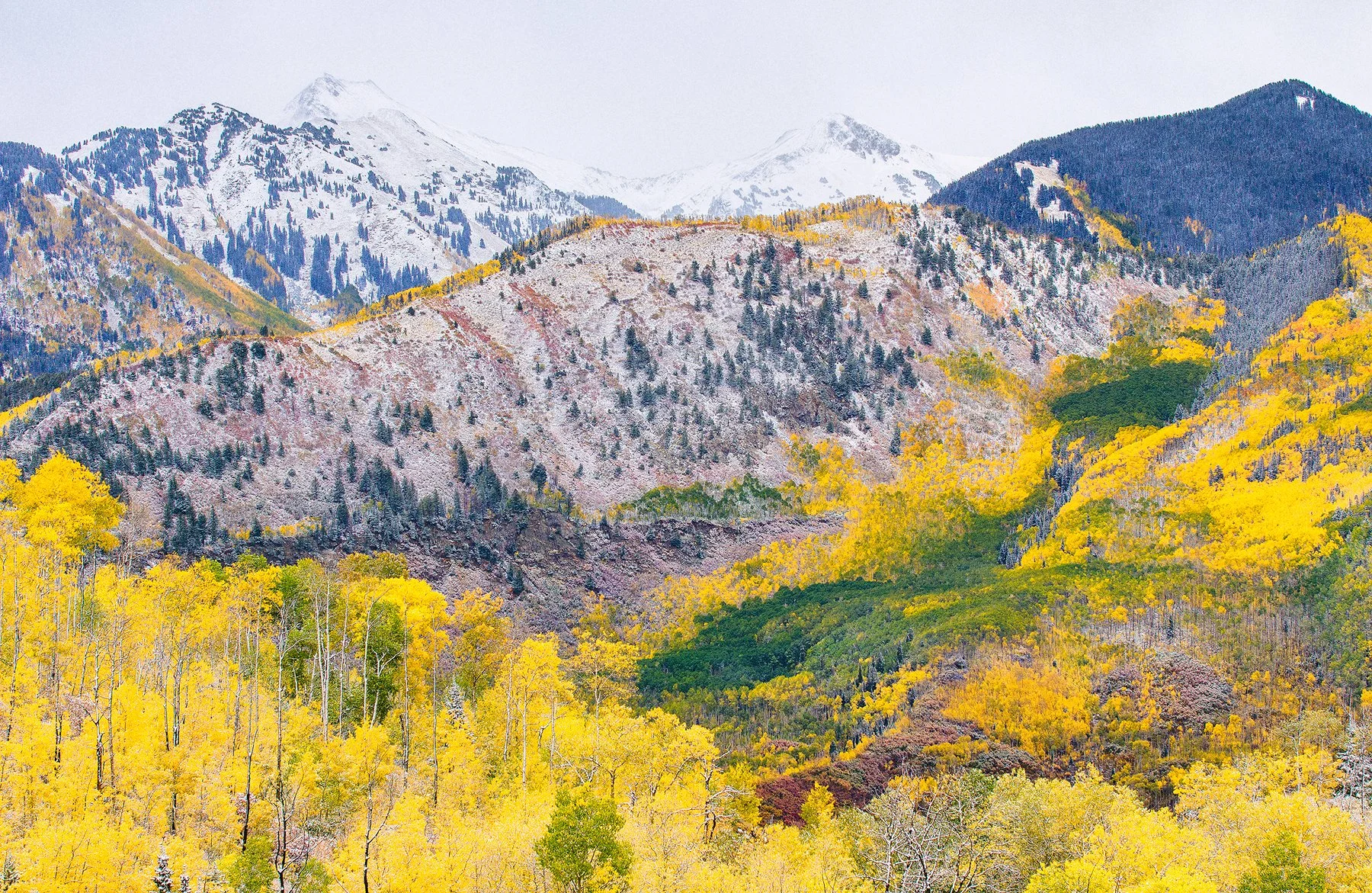
A mountainous landscape with snow-capped peaks, green and yellow autumn trees on the hillside, and a cloudy sky.
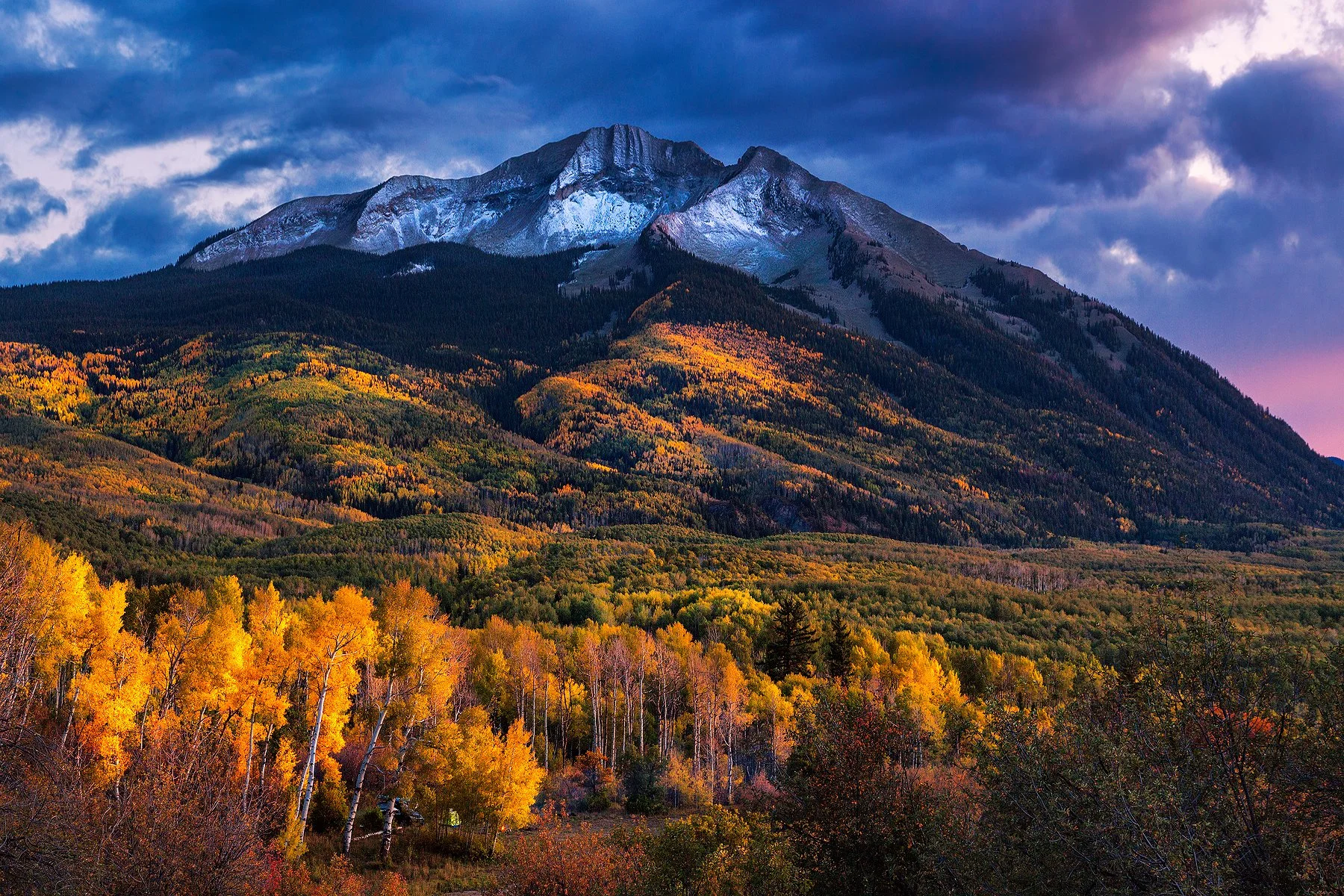
Scenic view of a mountain range with a snow-capped peak under a cloudy sky, surrounded by colorful autumn trees in shades of yellow, orange, and green.
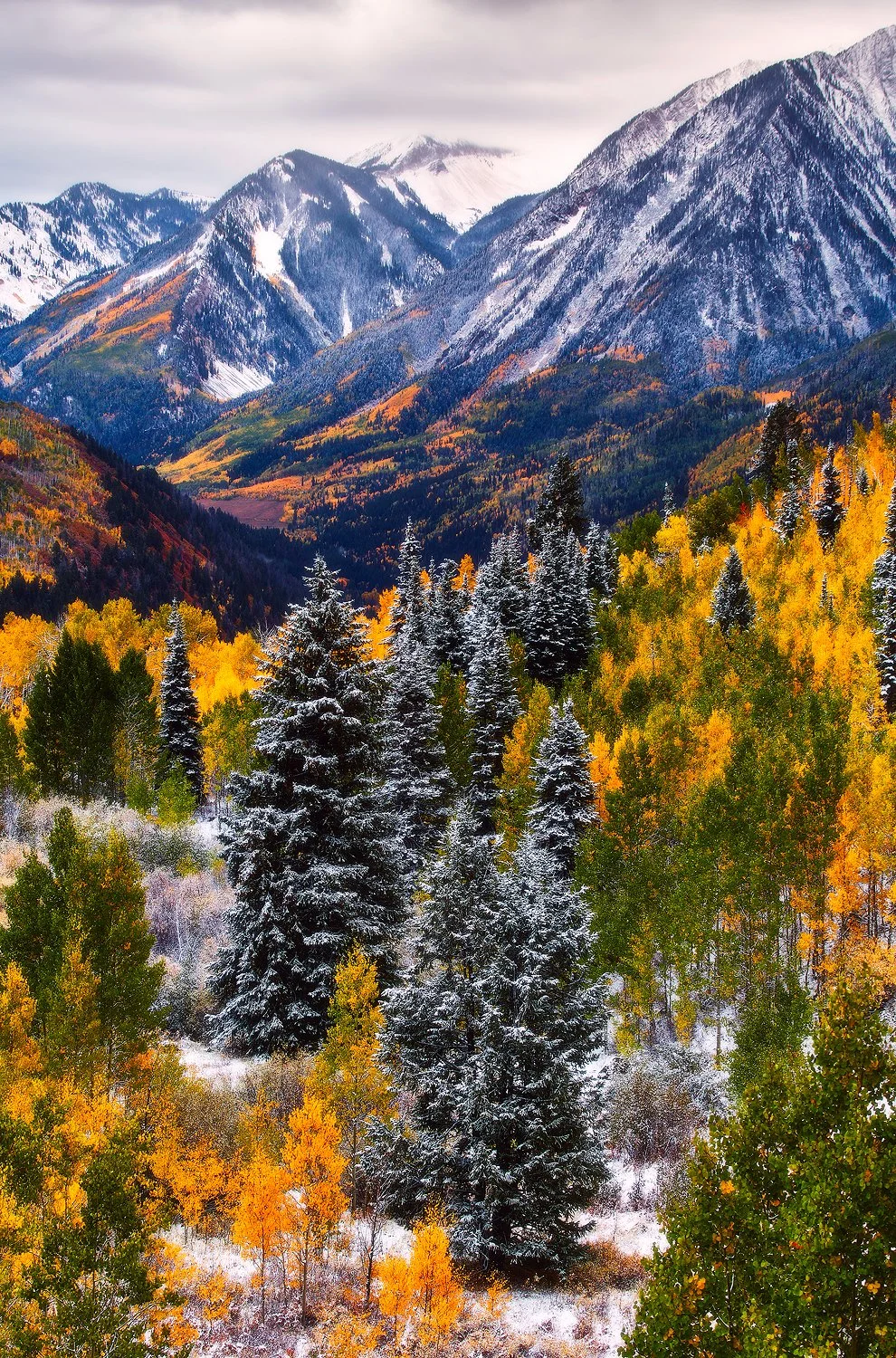
Mountain landscape with snow-capped peaks, colorful fall foliage, and snow-covered evergreen trees in the foreground.
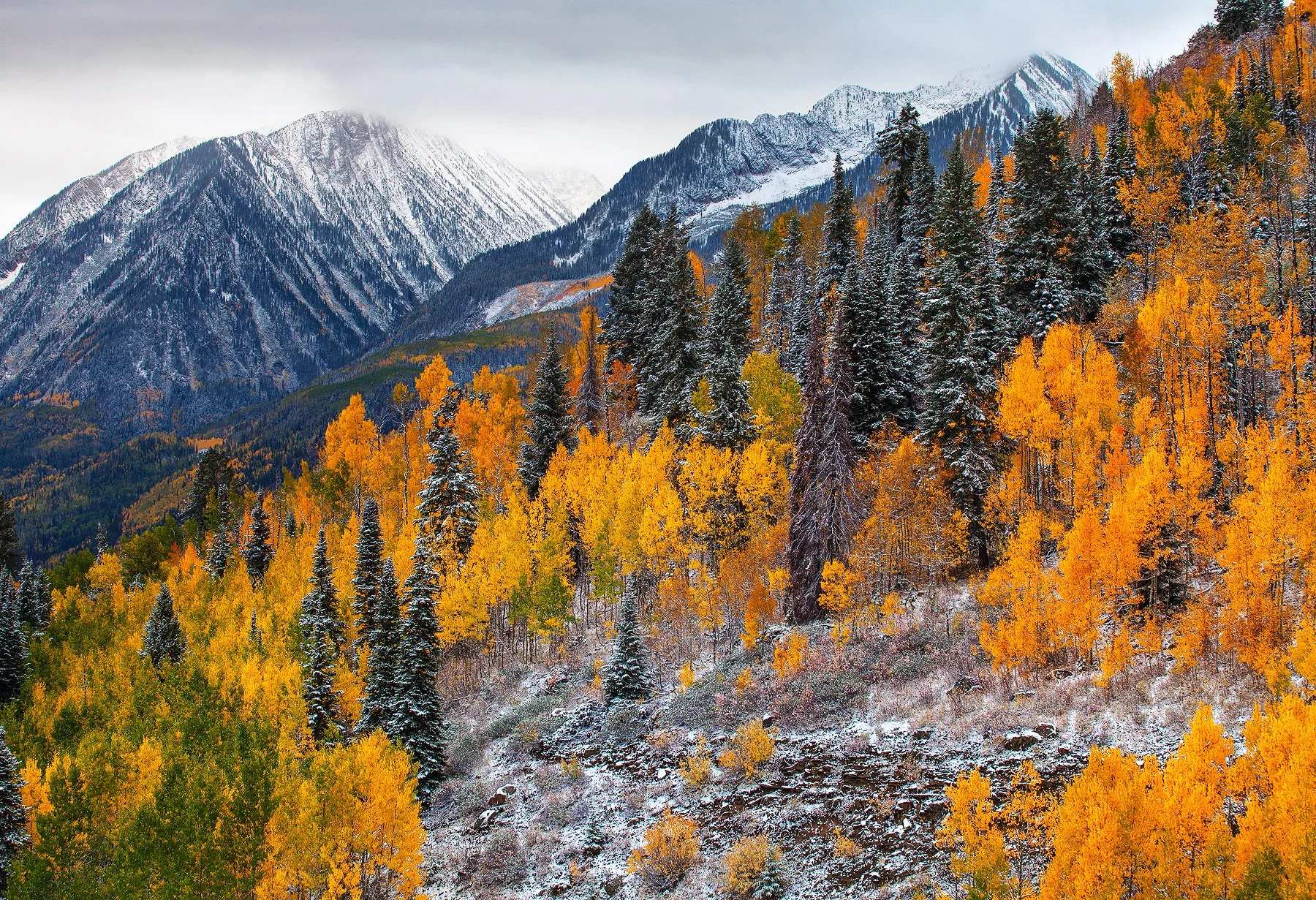
Mountain landscape with snow-capped peaks and a forest of yellow and green trees, some lightly dusted with snow, with cloudy sky overhead.
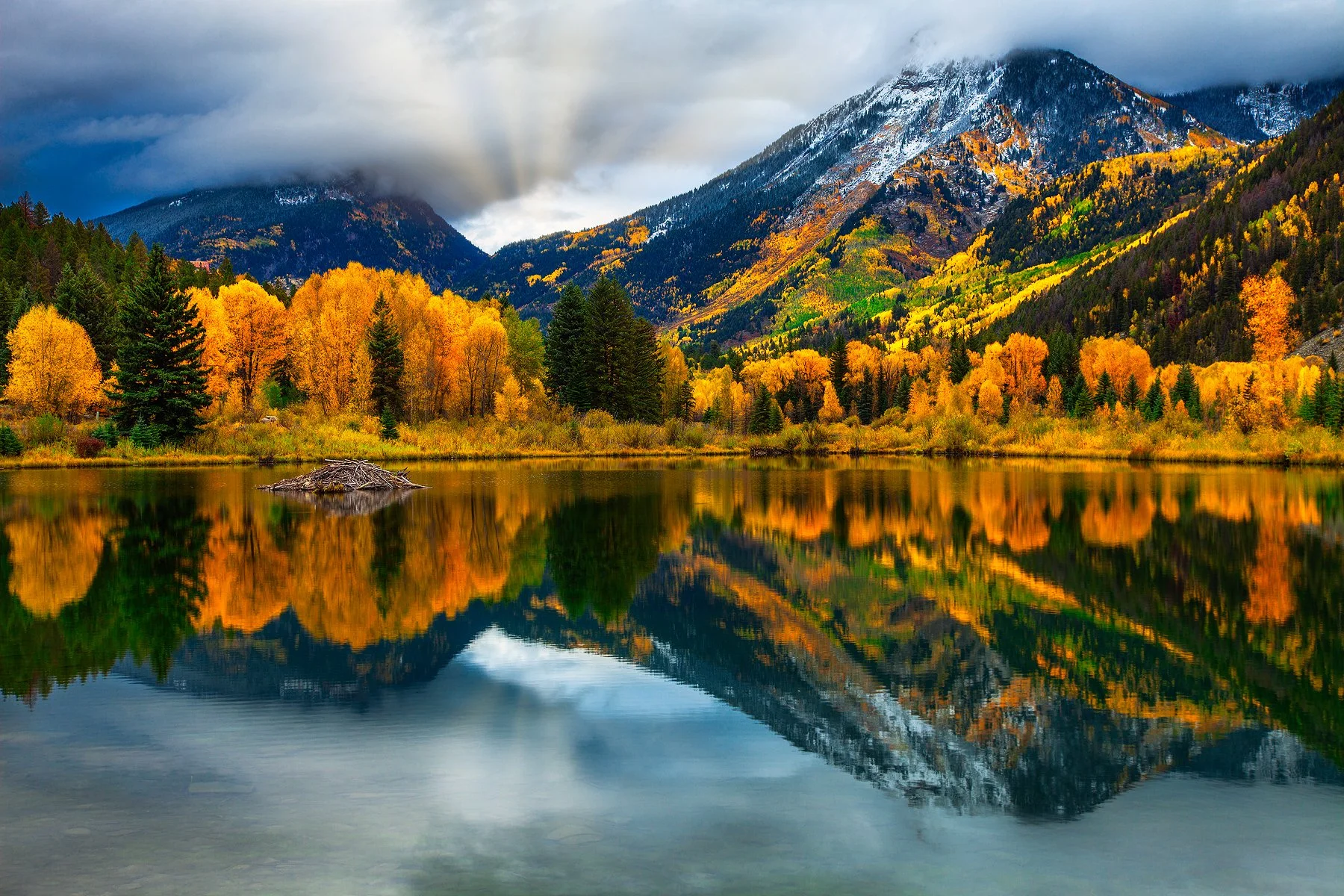
A tranquil lake reflecting vibrant autumn trees and snow-capped mountains under a cloudy sky.
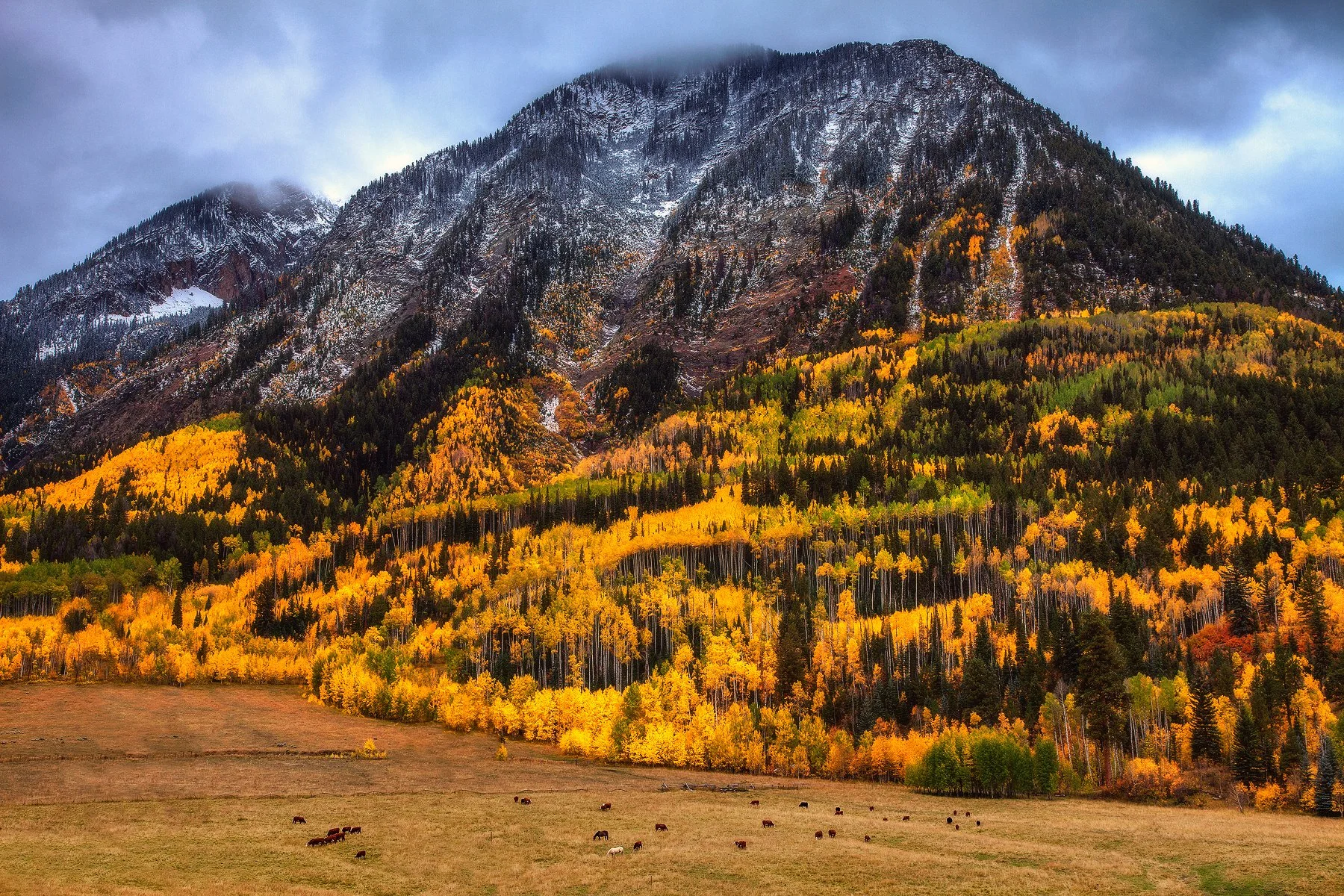
A mountain with snow-capped peaks and green, yellow, and orange trees at its base, with a grassy field and grazing cows in the foreground.
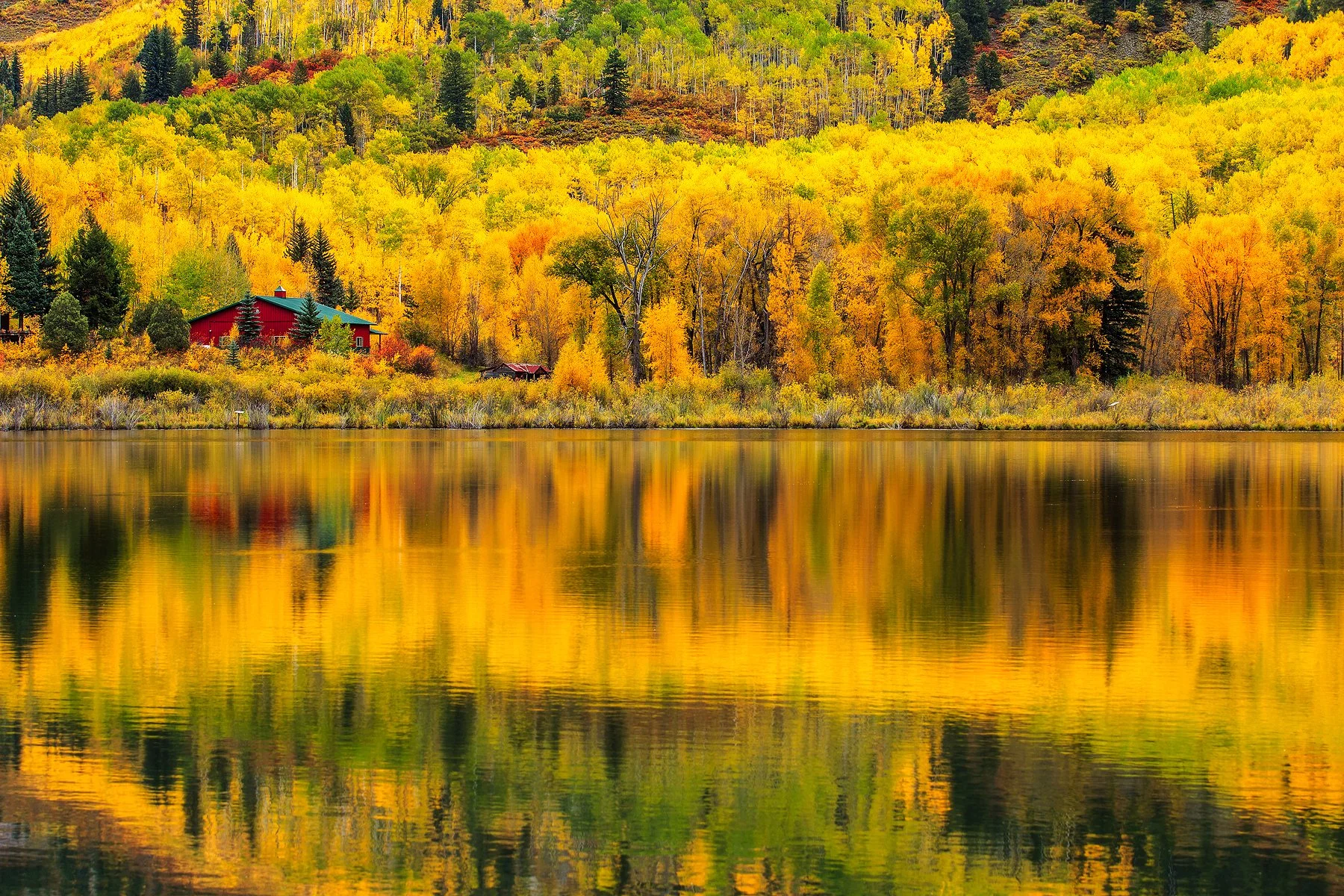
A scenic autumn landscape with a forested hillside filled with yellow, orange, and green trees, a red house among the trees, and a calm body of water reflecting the colorful trees and sky.
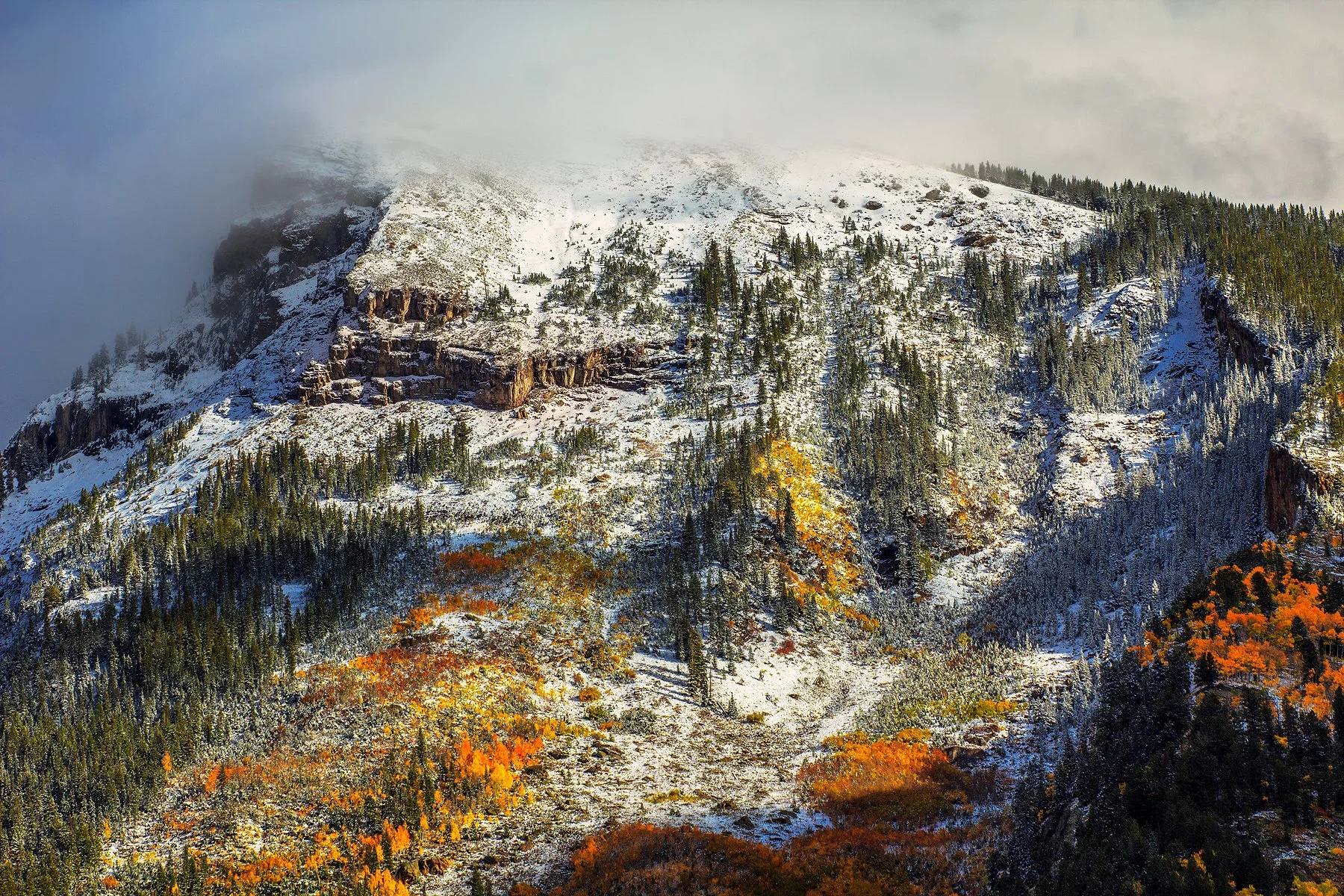
Snow-covered mountain with evergreen trees and patches of orange and yellow fall foliage at the base, partially shrouded in clouds.